Progressive waves
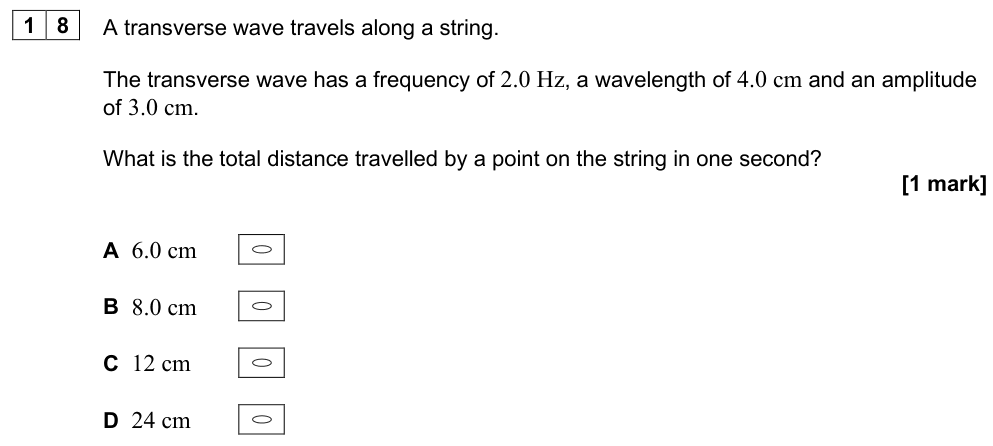
A progressive (travelling) wave transfers energy from one place to another without transferring matter. The particles of the medium oscillate about fixed equilibrium positions as the wave passes.
| Quantity | Symbol | Meaning | Unit |
|---|---|---|---|
| Displacement | $x$ or $y$ | distance of a particle from its equilibrium position | m |
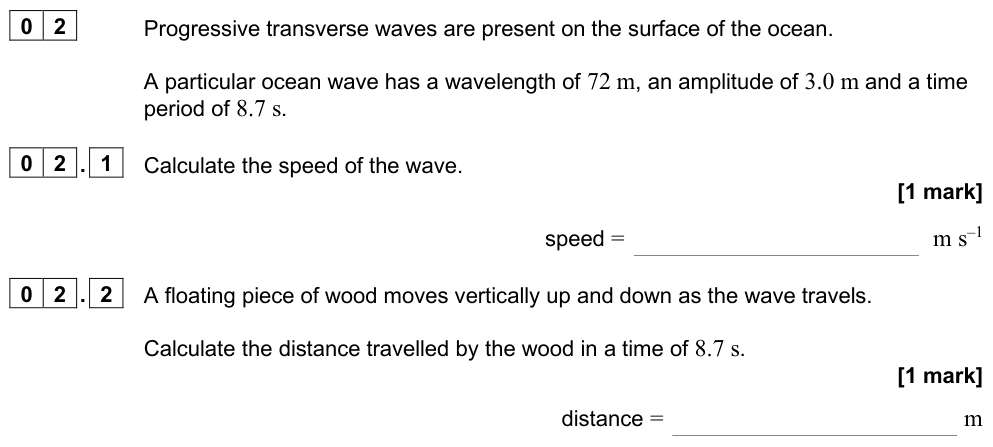
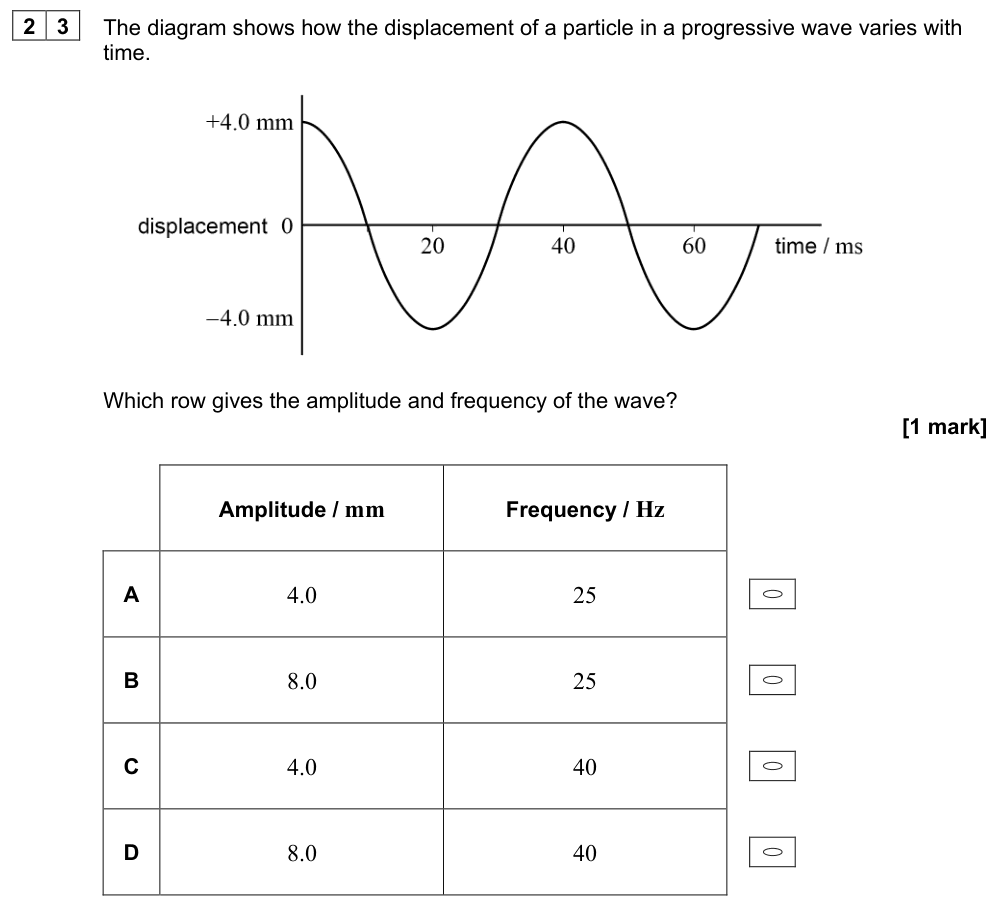
| Amplitude | $A$ | maximum displacement | m |
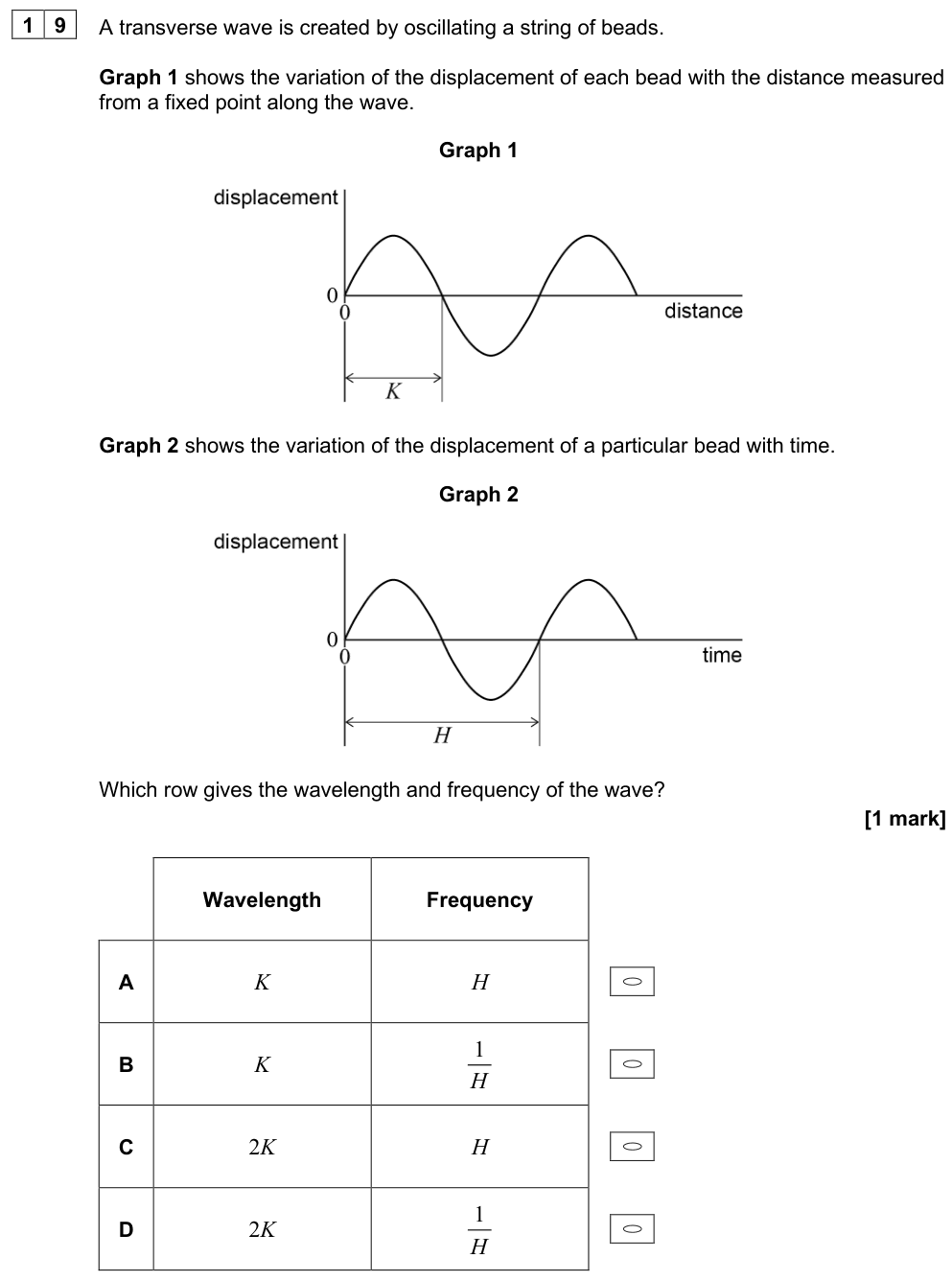
| Wavelength | $\lambda$ | distance between two adjacent points in phase (e.g. crest to crest) | m |
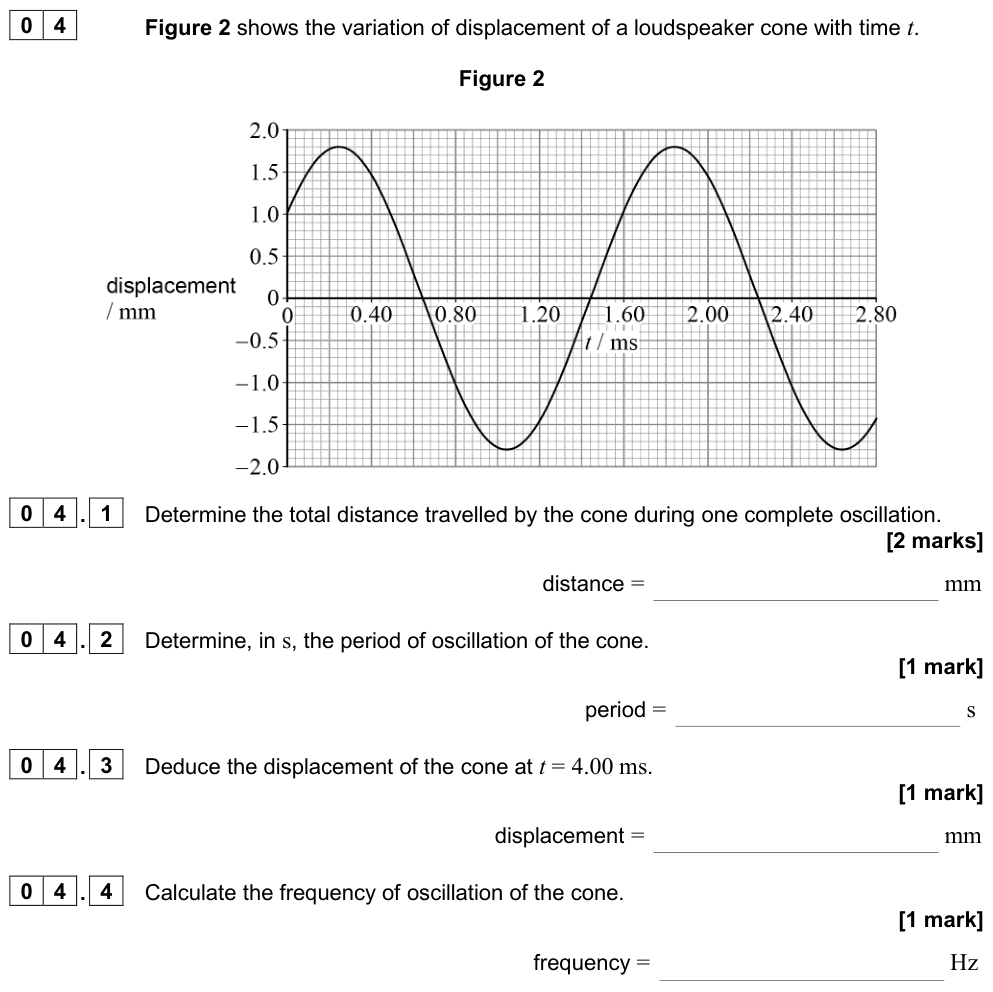
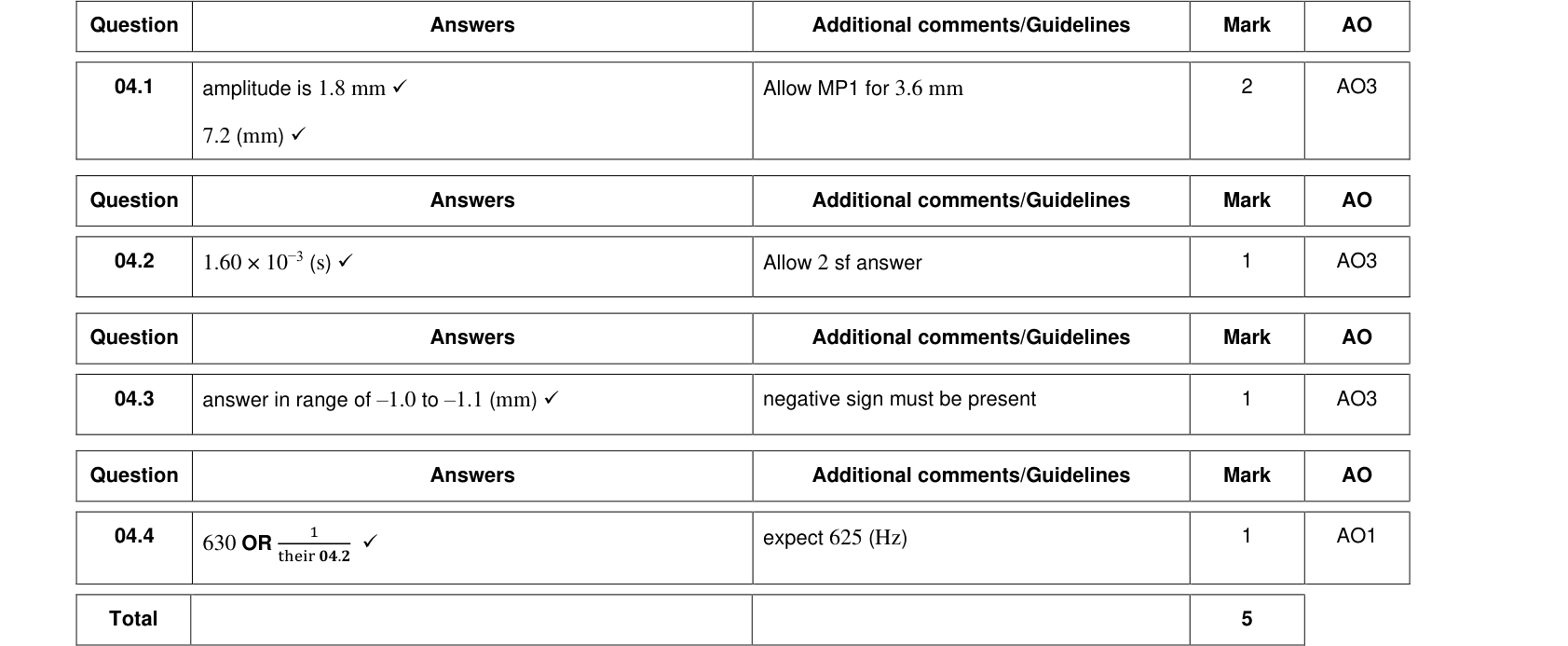
| Period | $T$ | time for one complete oscillation of a particle | s |
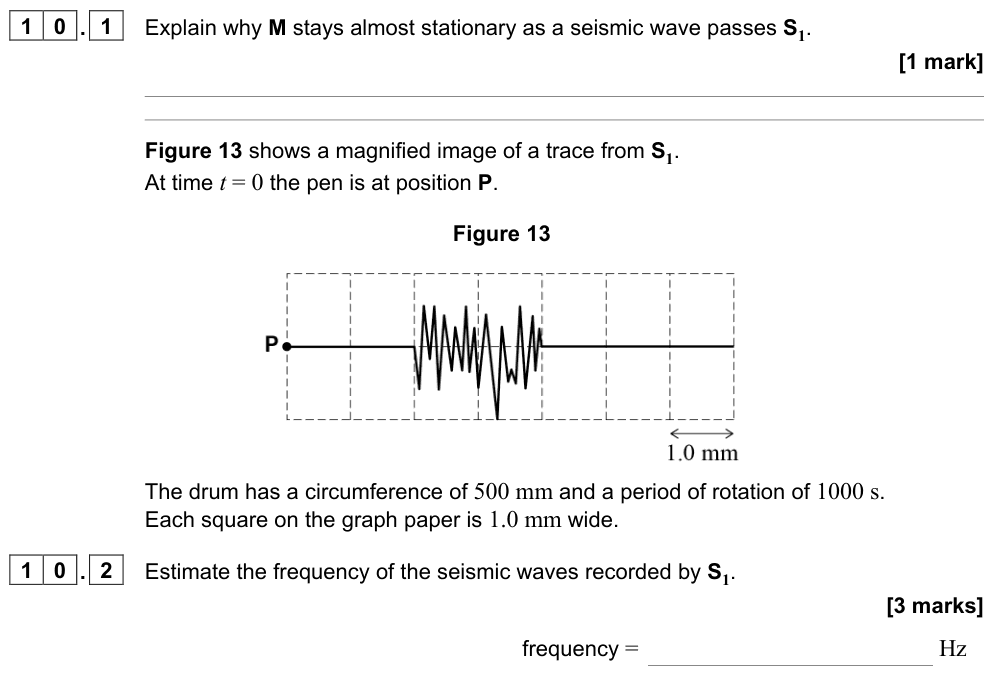
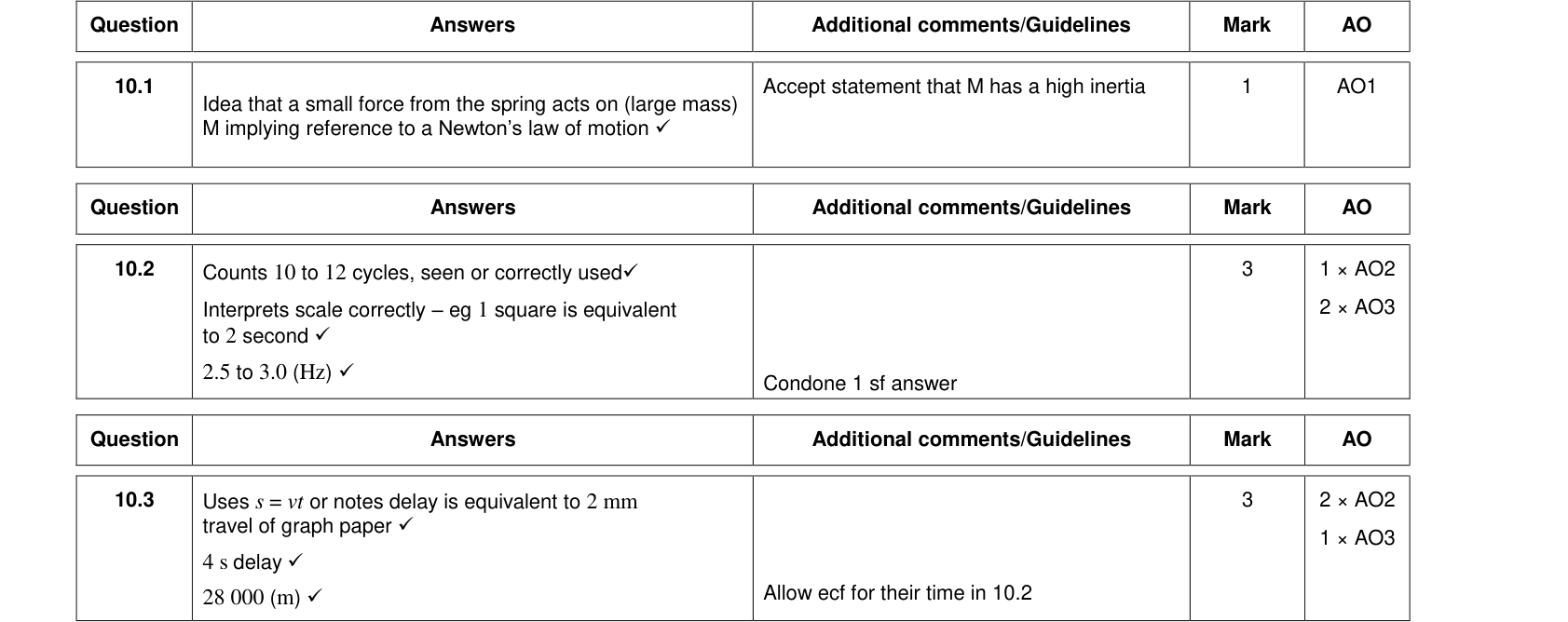
| Frequency | $f$ | number of complete oscillations per second | Hz |
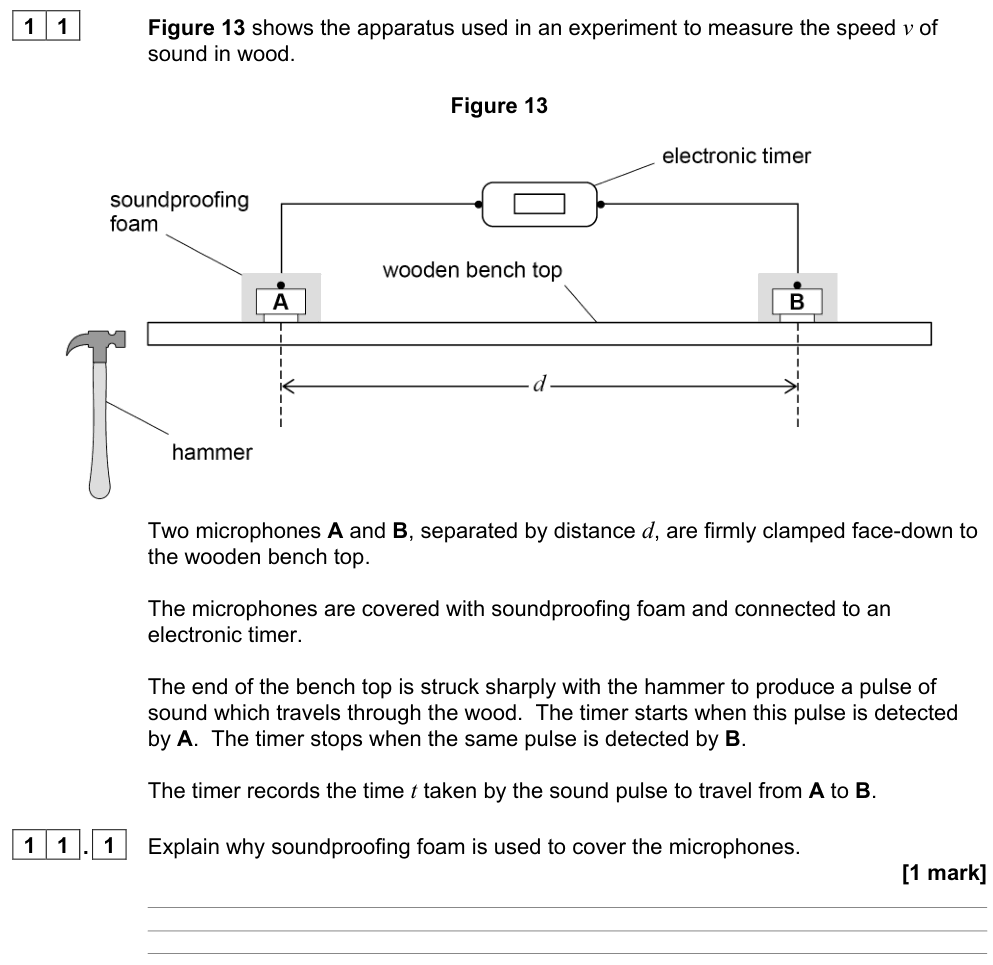
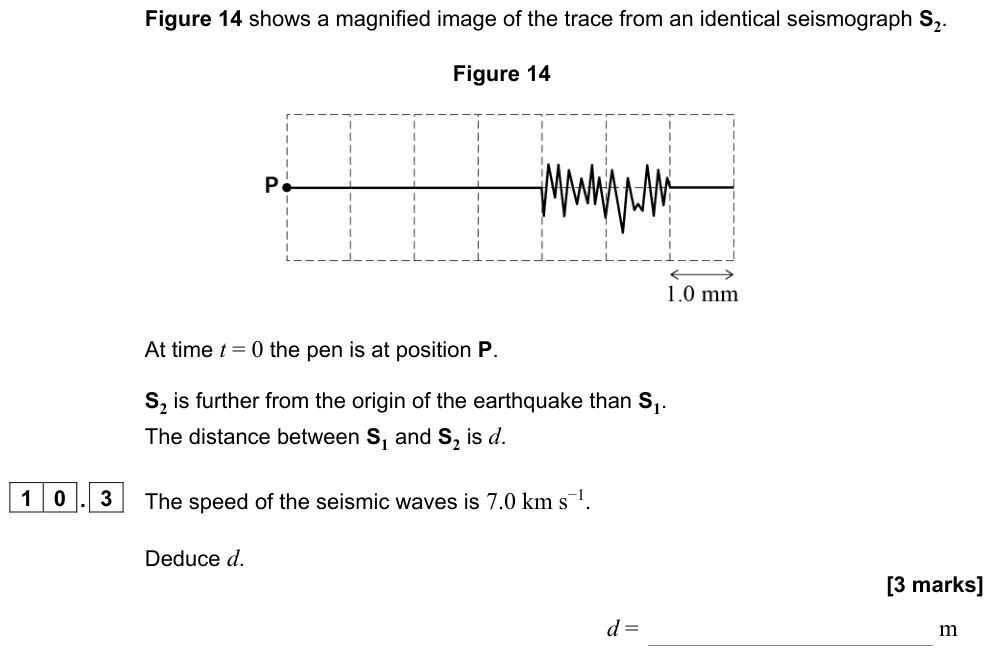
| Wave speed | $c$ | distance travelled by the wave per second | m s⁻¹ |
The wave equation
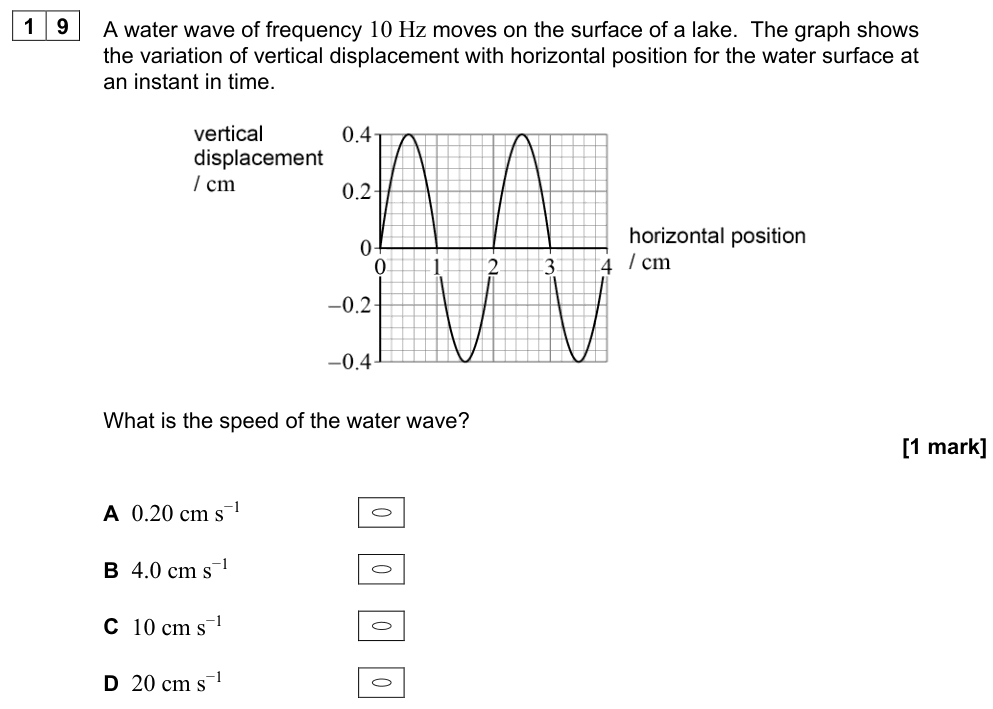
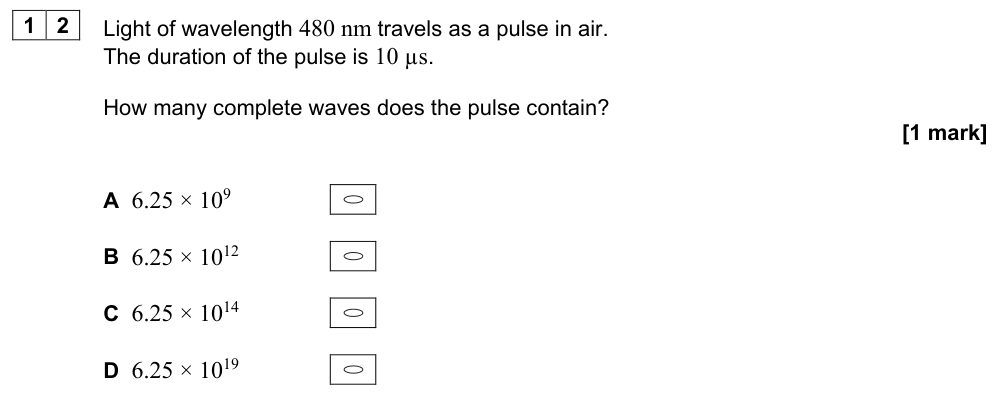
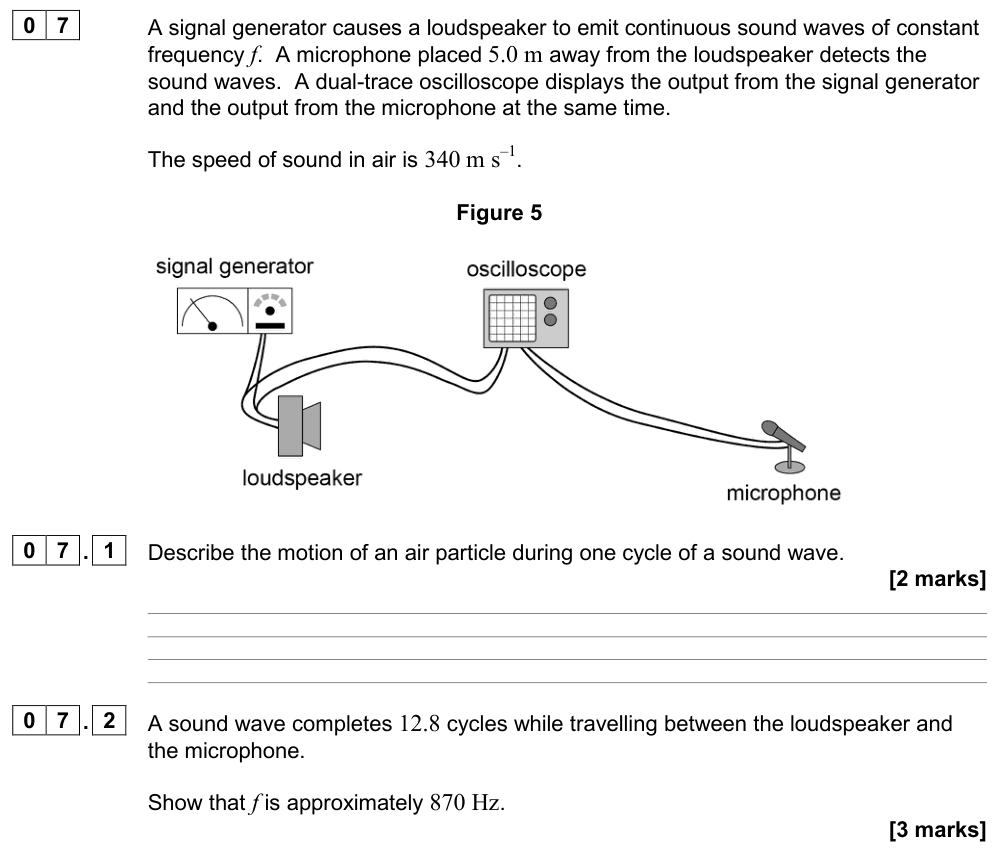
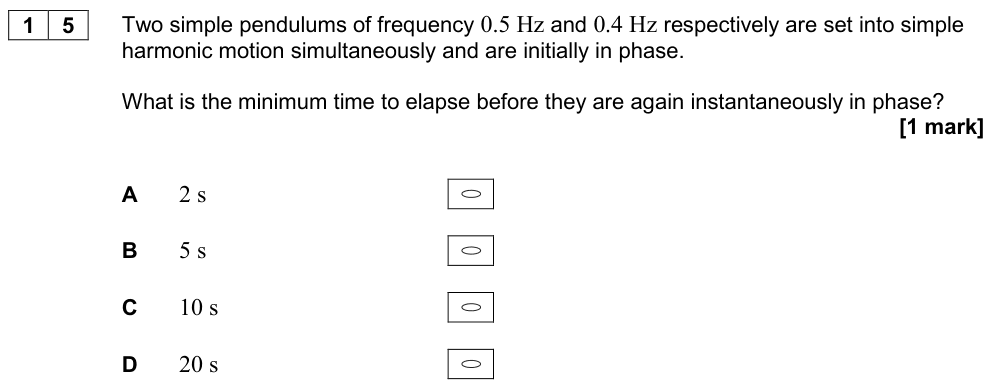
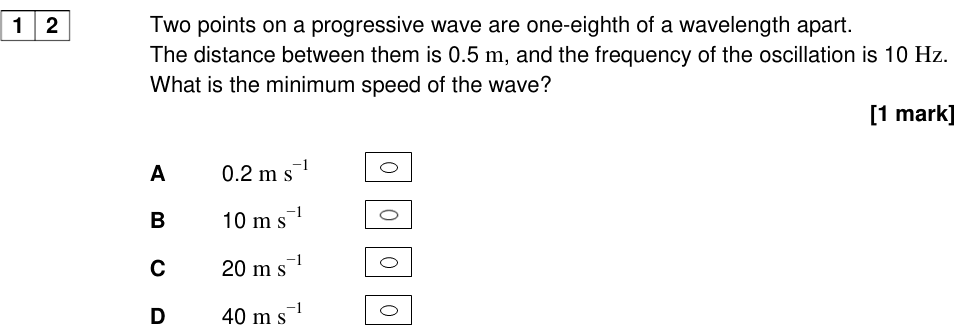
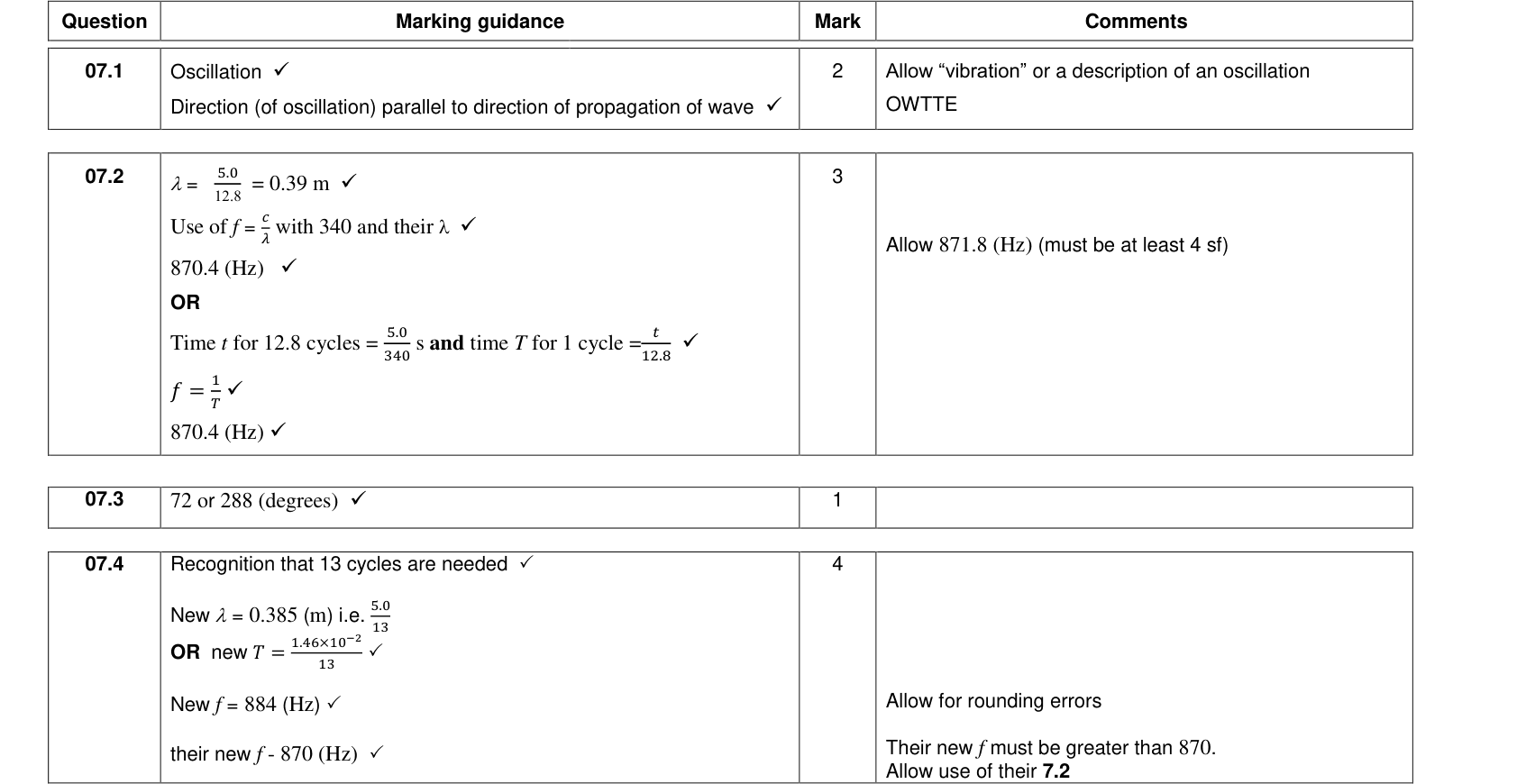
$$c = f\lambda \qquad\qquad f = \frac{1}{T}$$
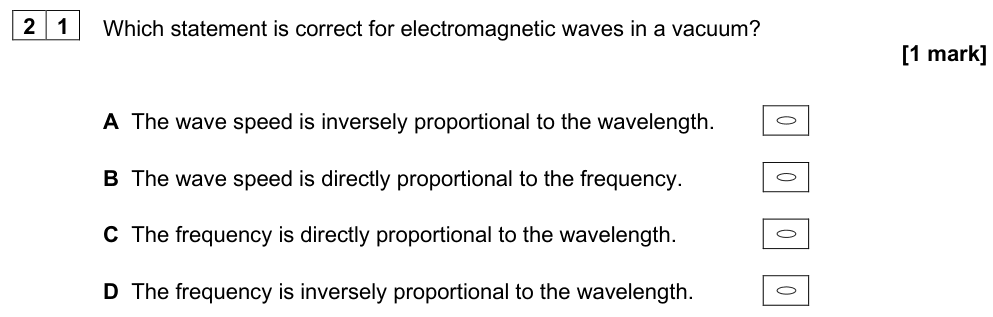
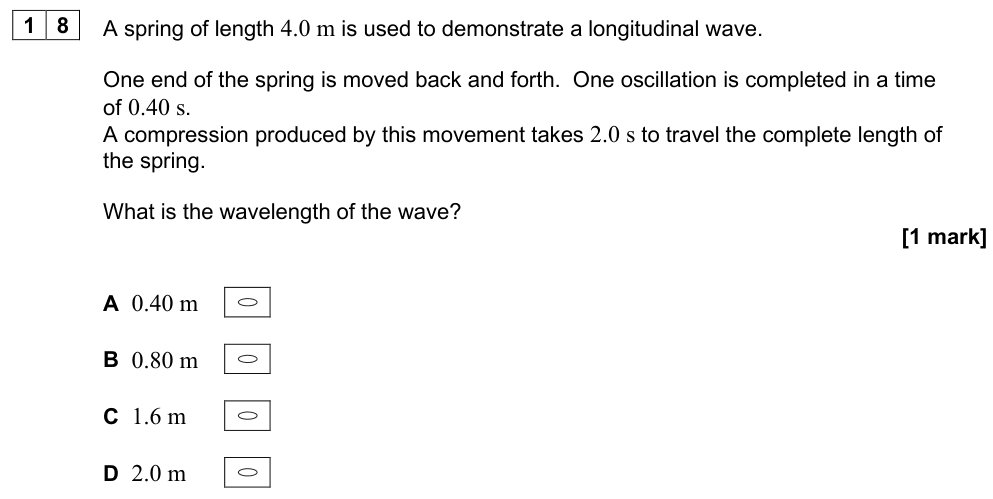
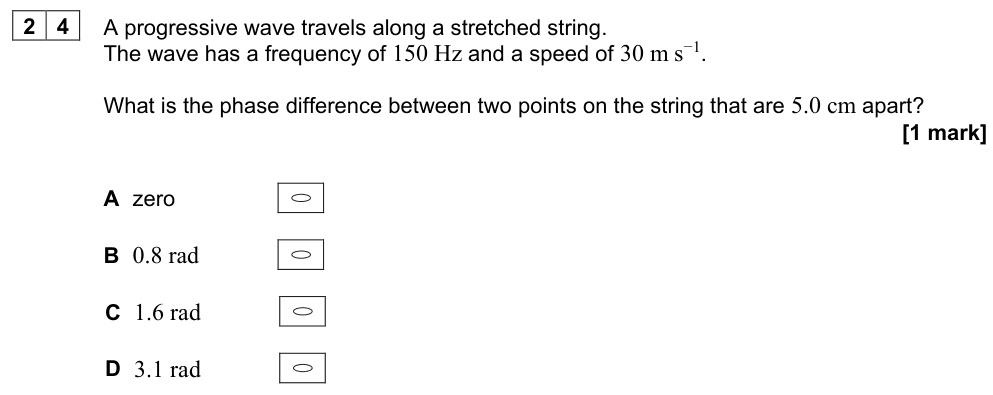
In one period the wave travels one wavelength, so $c = \lambda/T = f\lambda$.
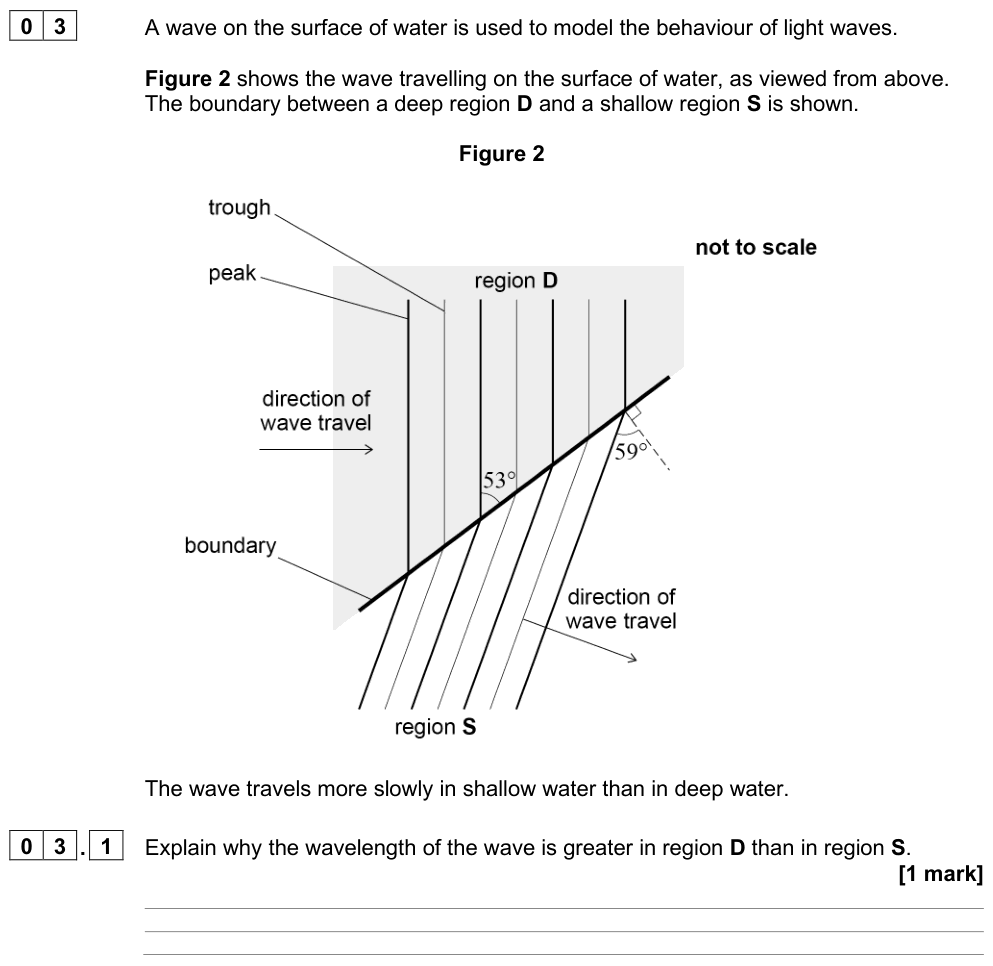
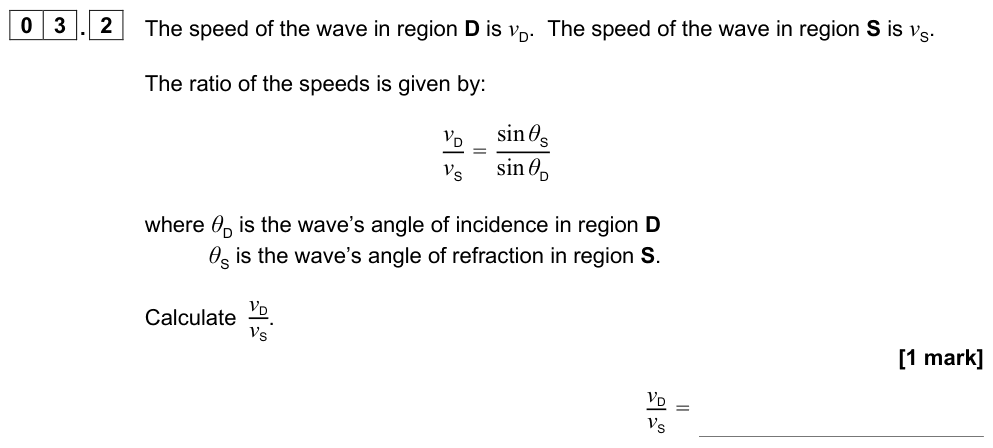
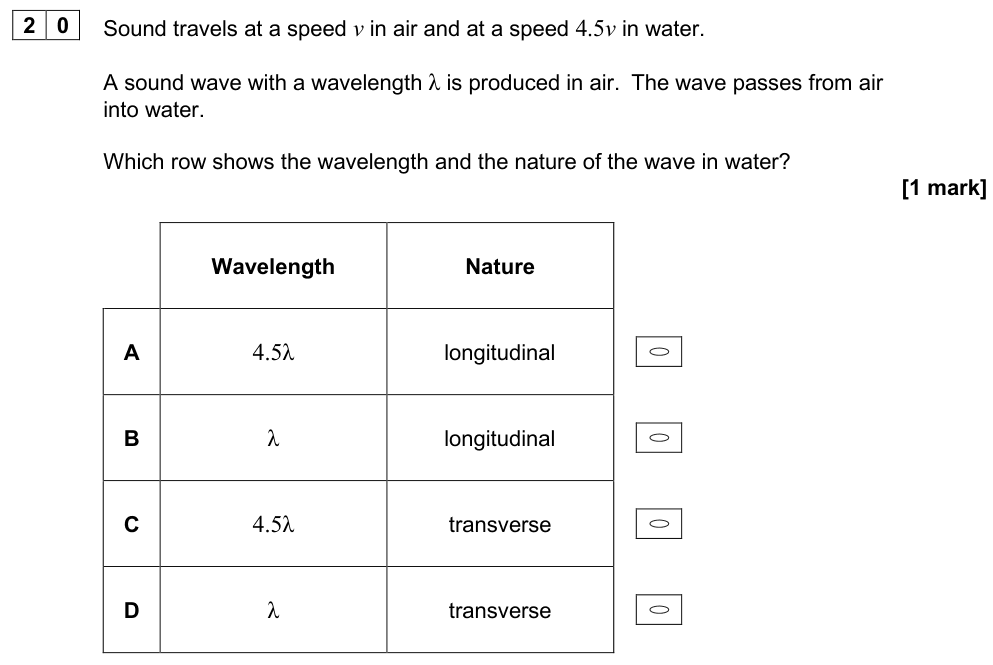
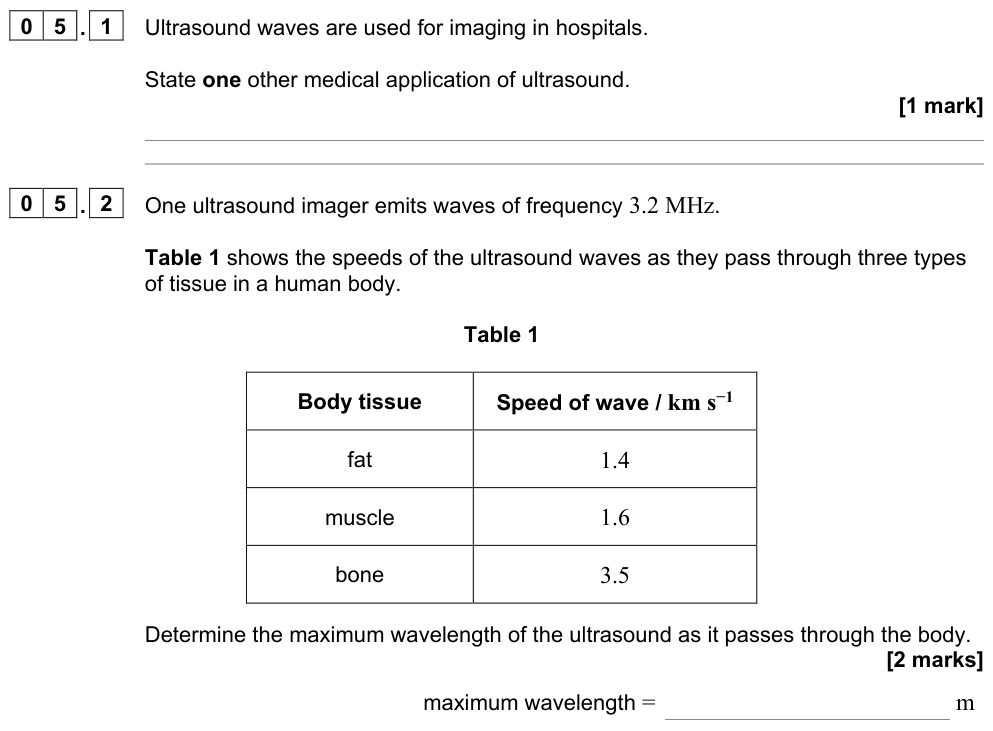
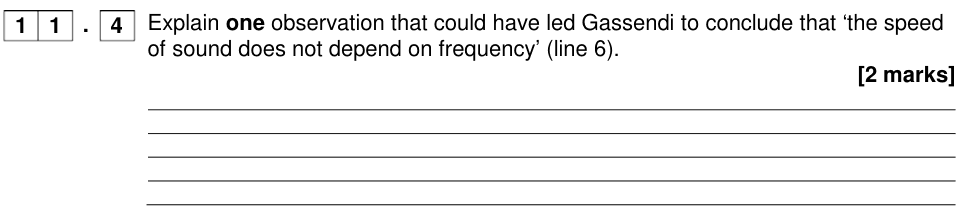
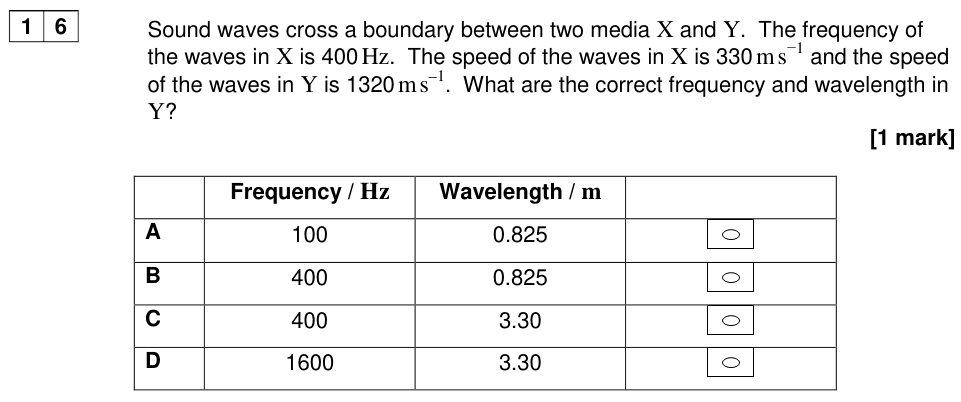
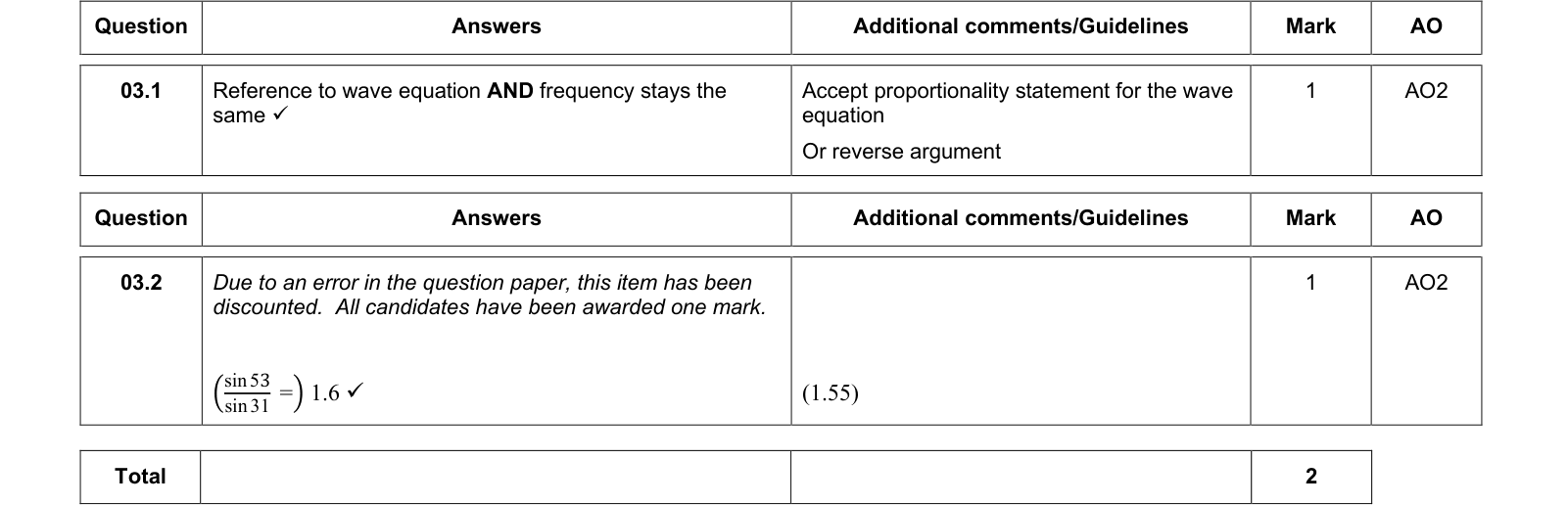
When a wave passes from one medium into another, its frequency stays the same (set by the source) while its speed and wavelength change.
Worked example
A sound wave of frequency 440 Hz travels at $340\ \text{m s}^{-1}$ in air. $\lambda = c/f = 340/440 = 0.77\ \text{m}$. In water ($1500\ \text{m s}^{-1}$) the frequency is still 440 Hz, so $\lambda = 3.4\ \text{m}$.
Phase and phase difference
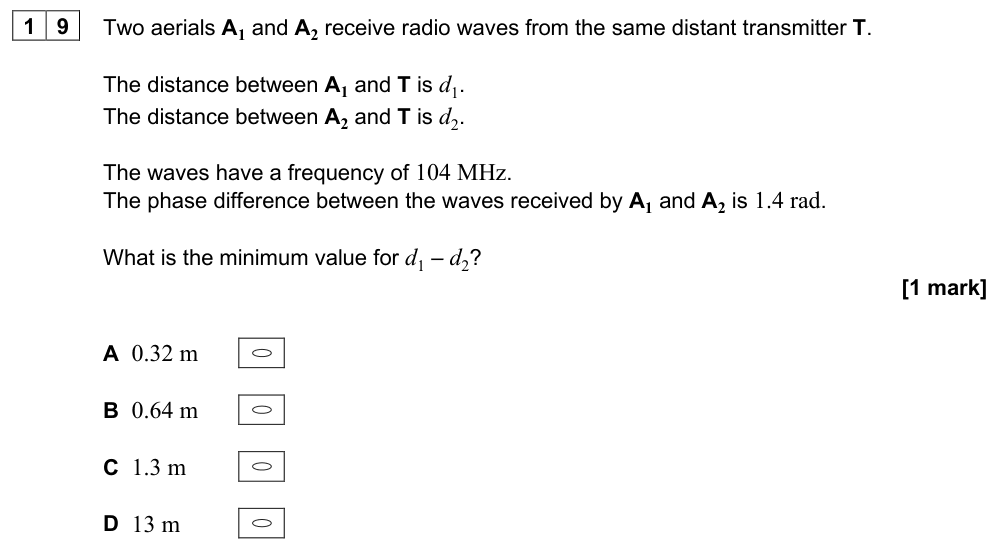
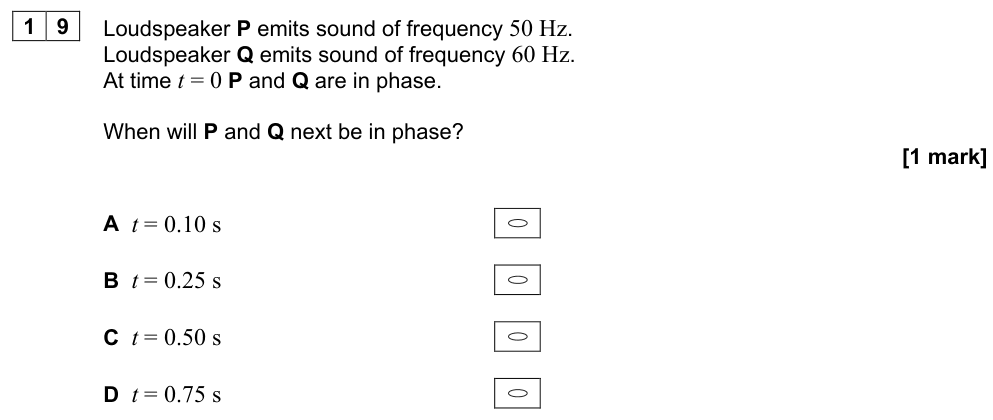
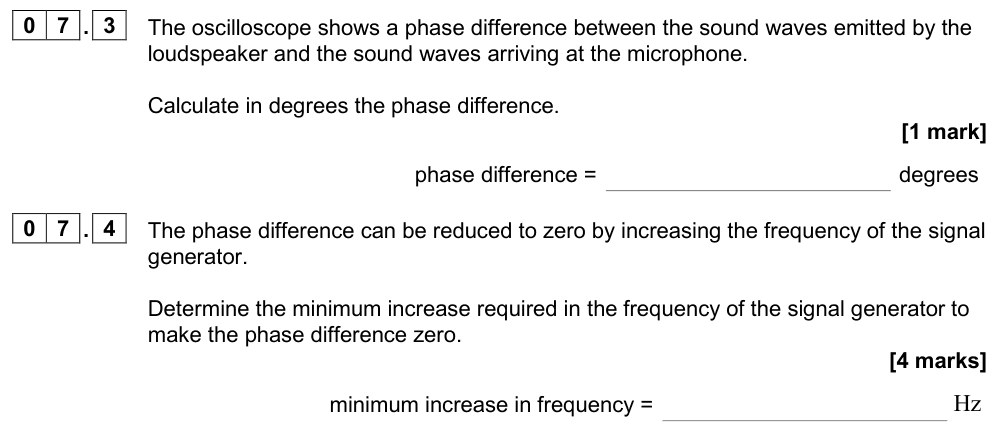
The phase of a point describes its position in the cycle of oscillation. The phase difference between two points (or two waves) says how far one is ahead of the other in the cycle. It can be measured as:
- a fraction of a cycle,
- an angle in degrees (one cycle = 360°),
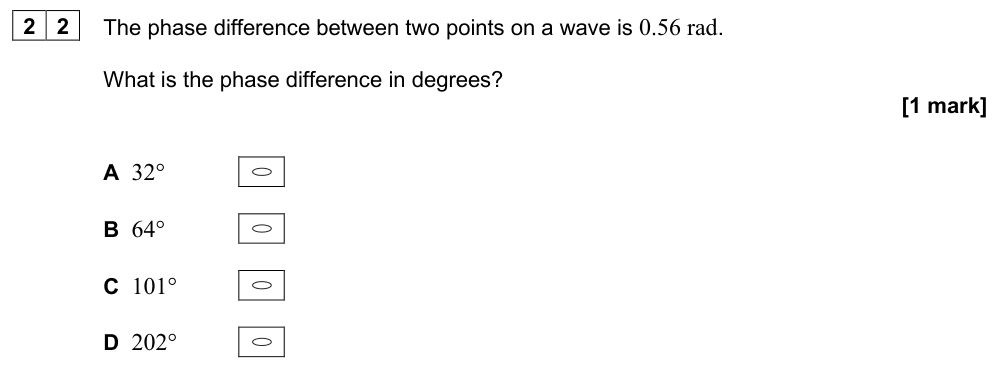
- an angle in radians (one cycle = $2\pi$ rad).
Phase difference between two points on a wave
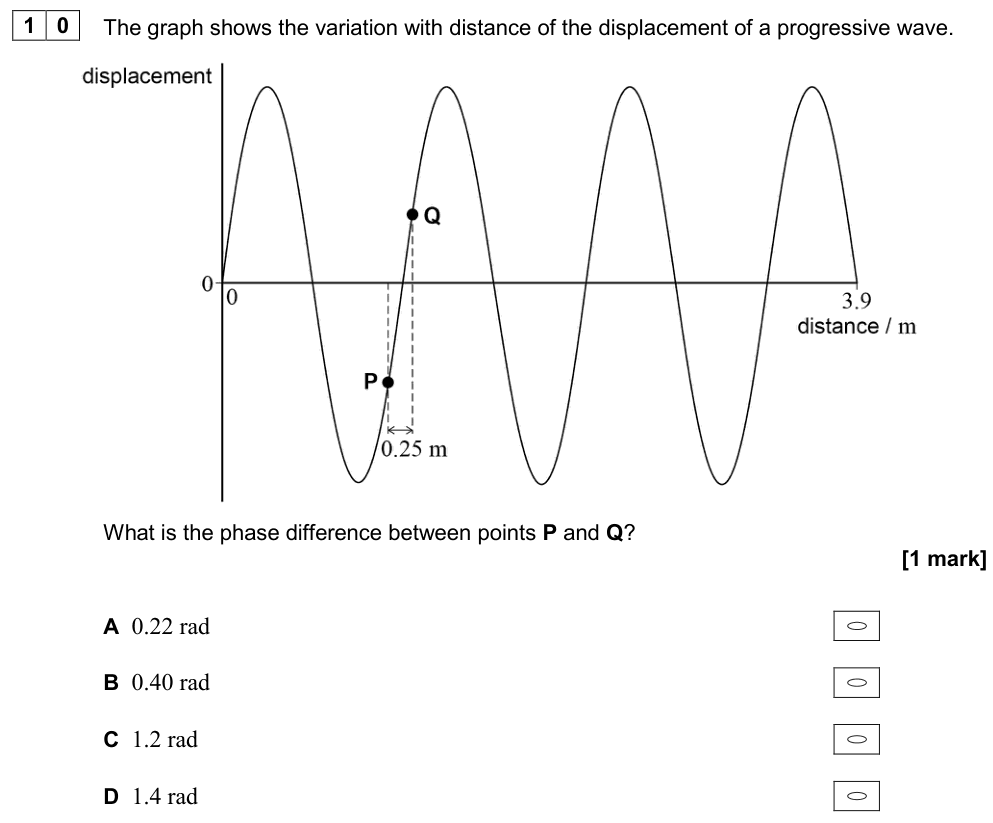
$$\phi = \frac{2\pi d}{\lambda}\ \text{rad} = \frac{360^\circ d}{\lambda}$$
where $d$ is the distance between the points along the direction of travel.
- Points one whole wavelength apart (or any whole number of wavelengths) are in phase (phase difference 0 or $2\pi$).
- Points half a wavelength apart are in antiphase (phase difference $\pi$ rad = 180°): they always move in opposite directions.
Worked example
Two points 0.15 m apart lie on a wave of wavelength 0.60 m. $\phi = 2\pi \times 0.15/0.60 = \pi/2$ rad = 90° = a quarter of a cycle.
Reading wave graphs
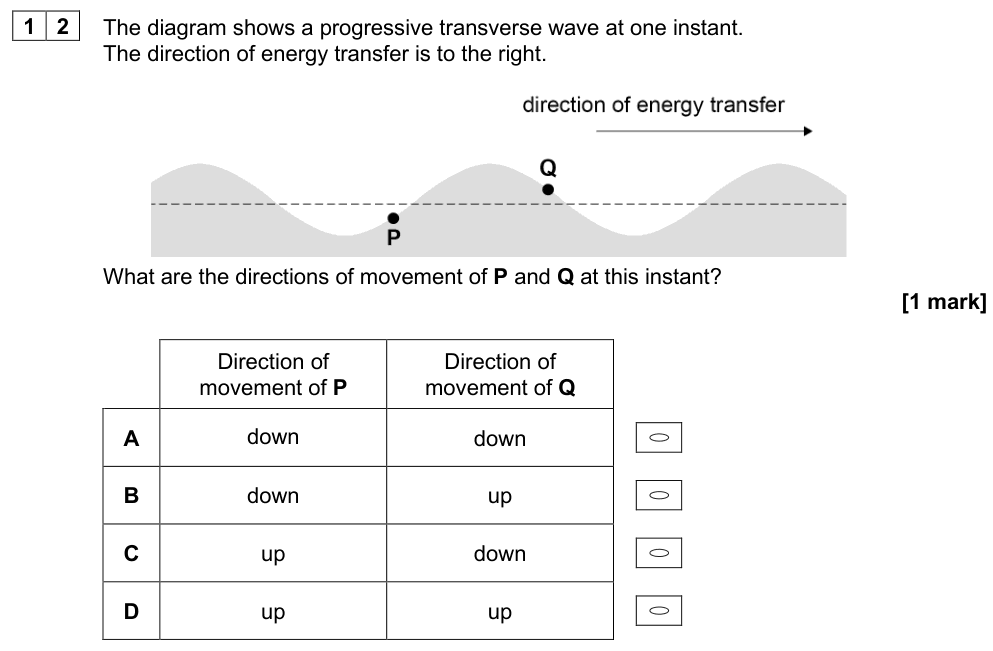
- A displacement–distance graph (a "snapshot") shows the wavelength and amplitude.
- A displacement–time graph for one point shows the period and amplitude.
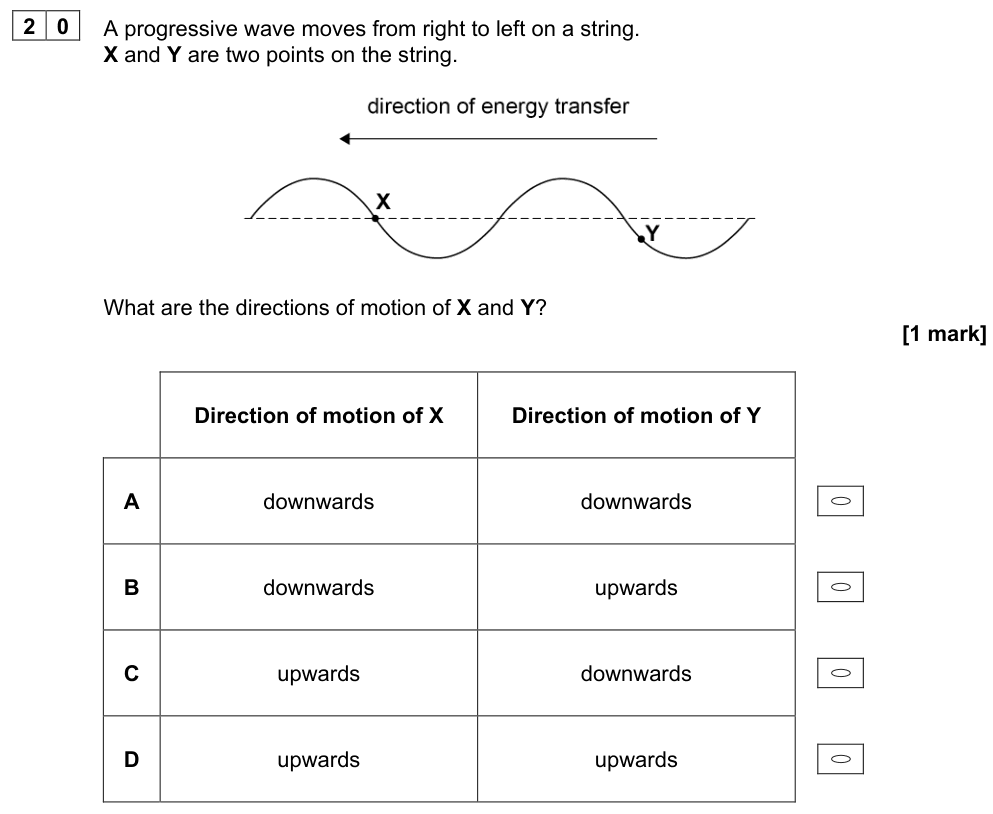
- To find which way a particle is moving on a snapshot, imagine the wave shifted slightly in its direction of travel and see whether the particle's displacement increases or decreases.
Transverse and longitudinal waves
Transverse and longitudinal waves
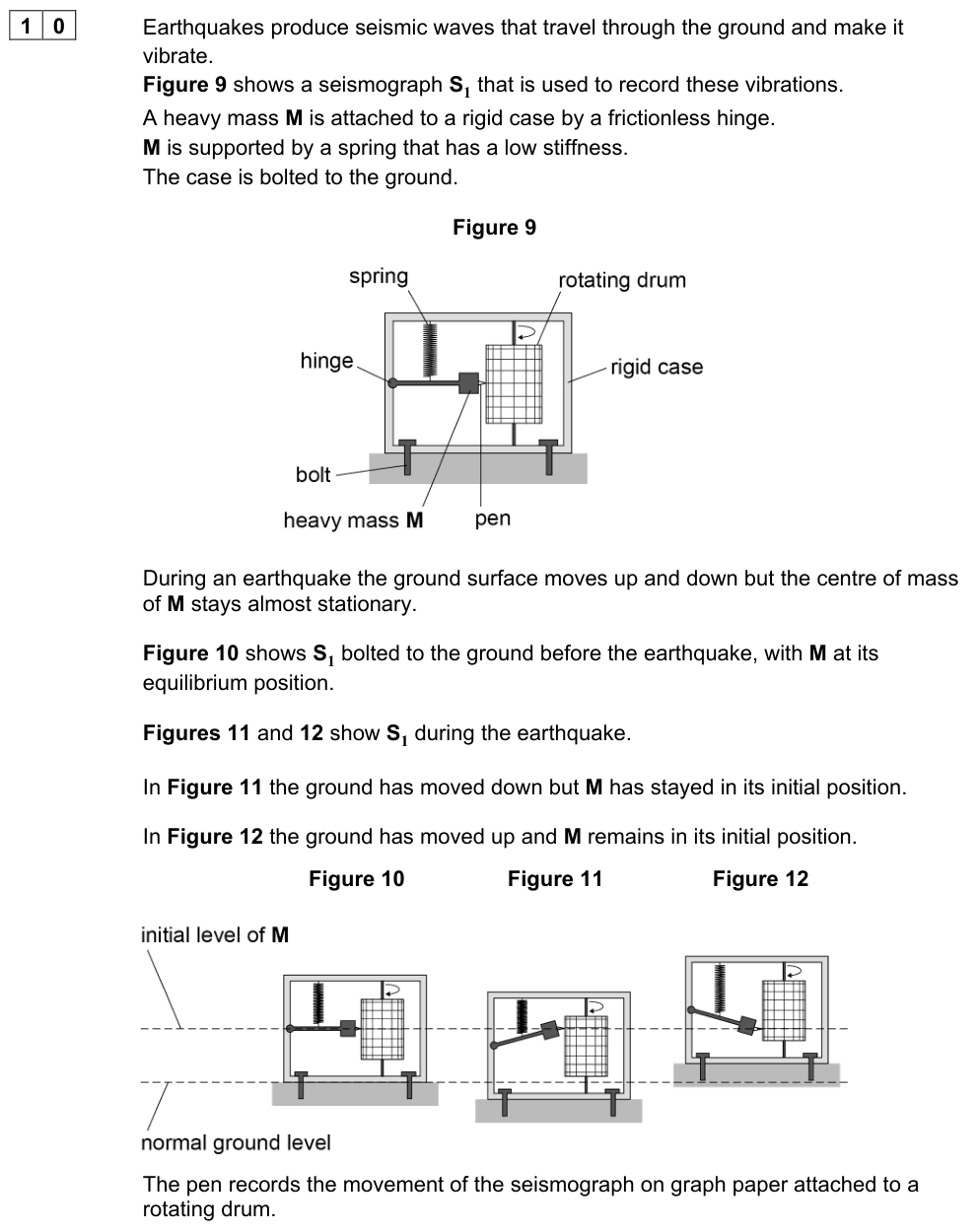
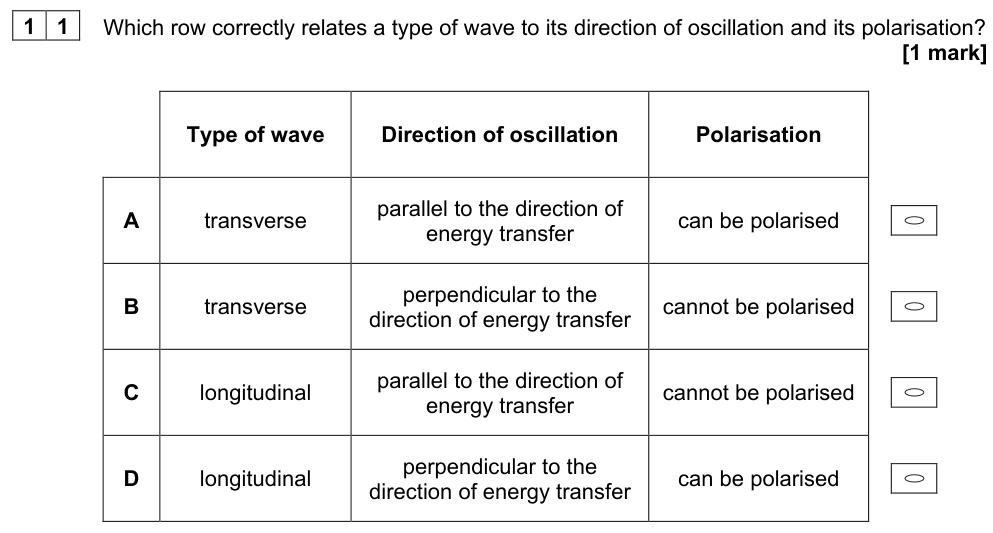
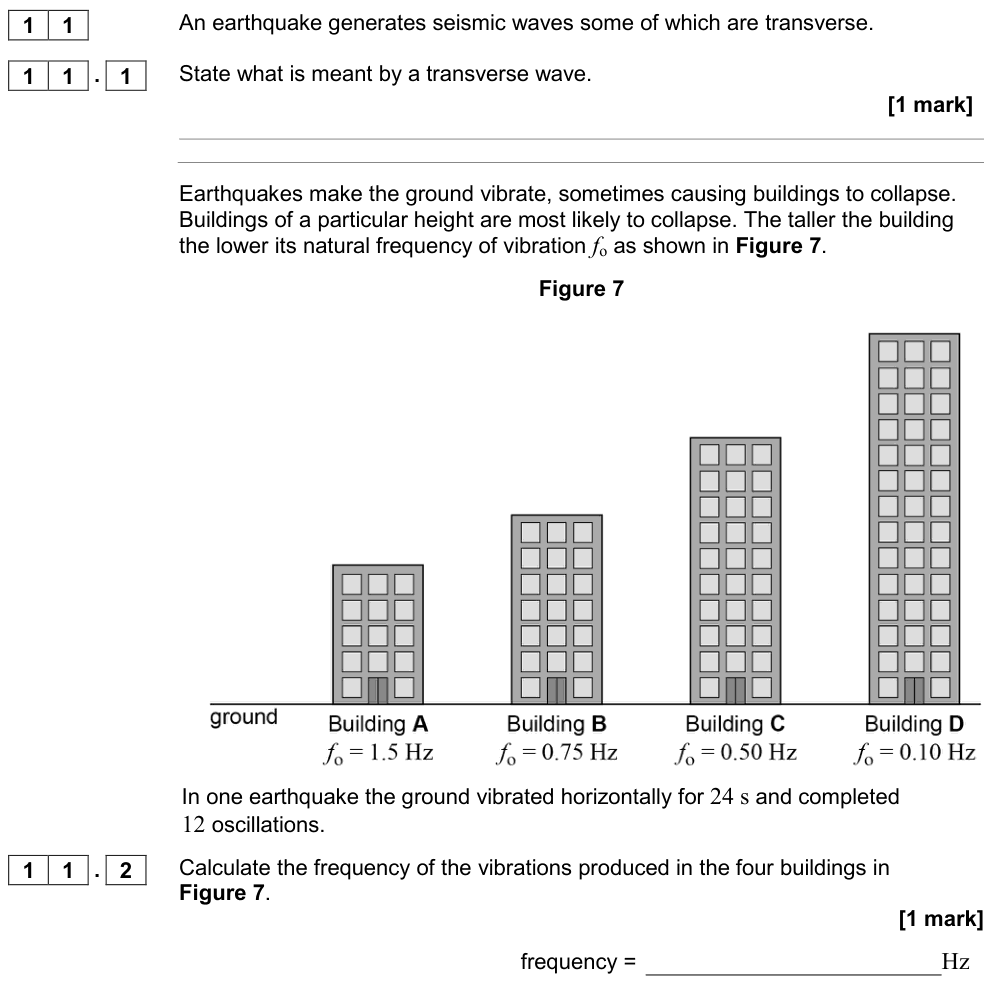
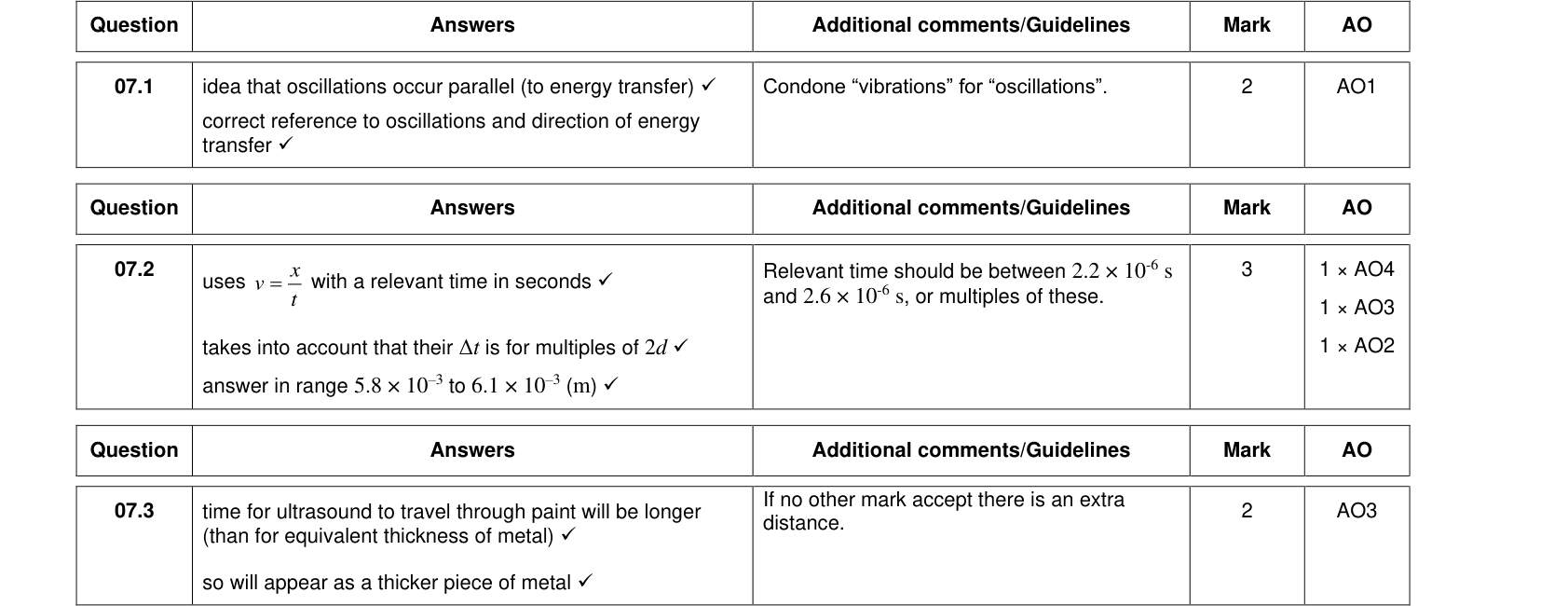
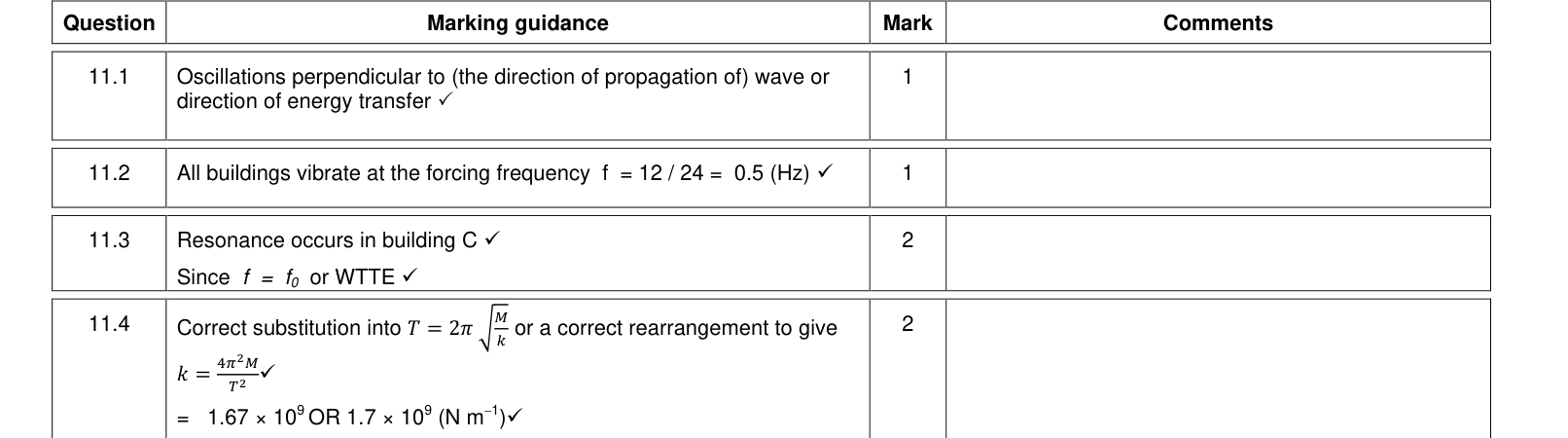
Transverse wave: the particles (or fields) oscillate perpendicular to the direction of energy transfer (propagation). Examples: all electromagnetic waves, waves on a string, water ripples, S-waves in earthquakes.
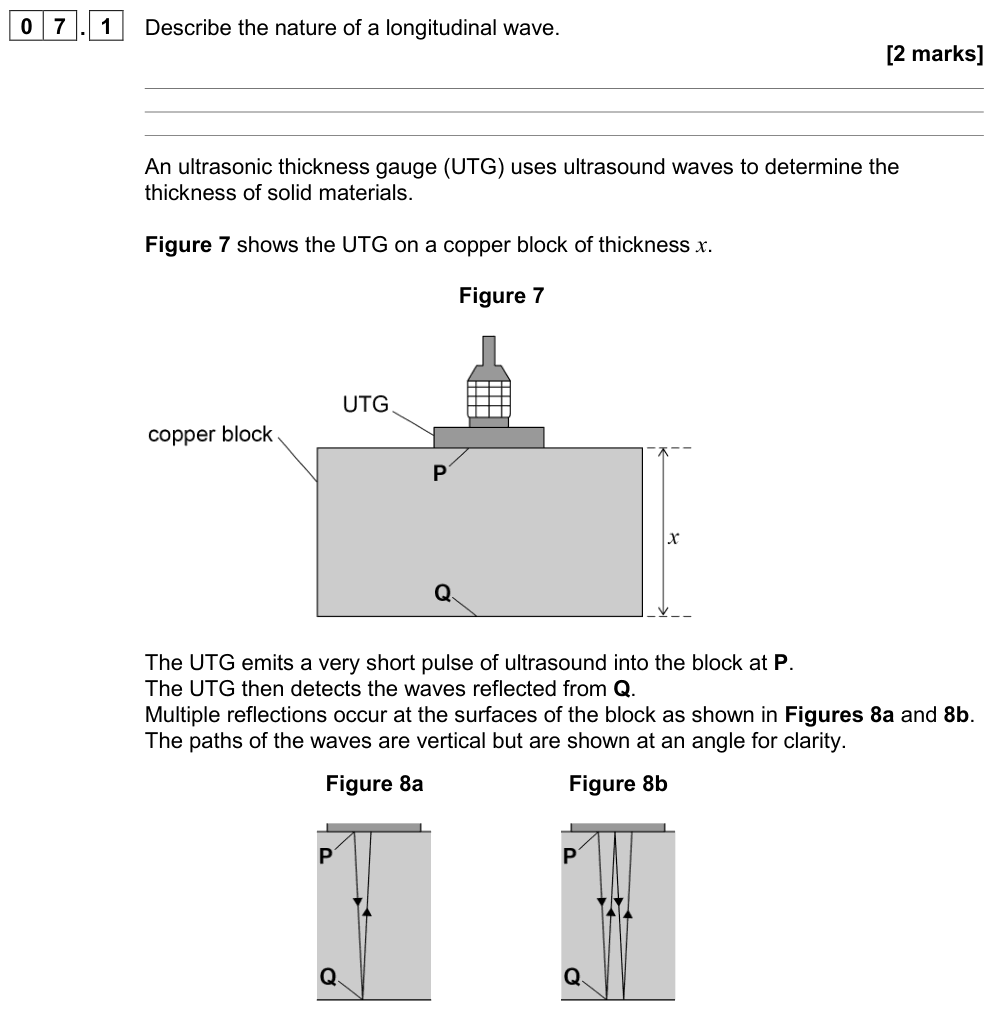
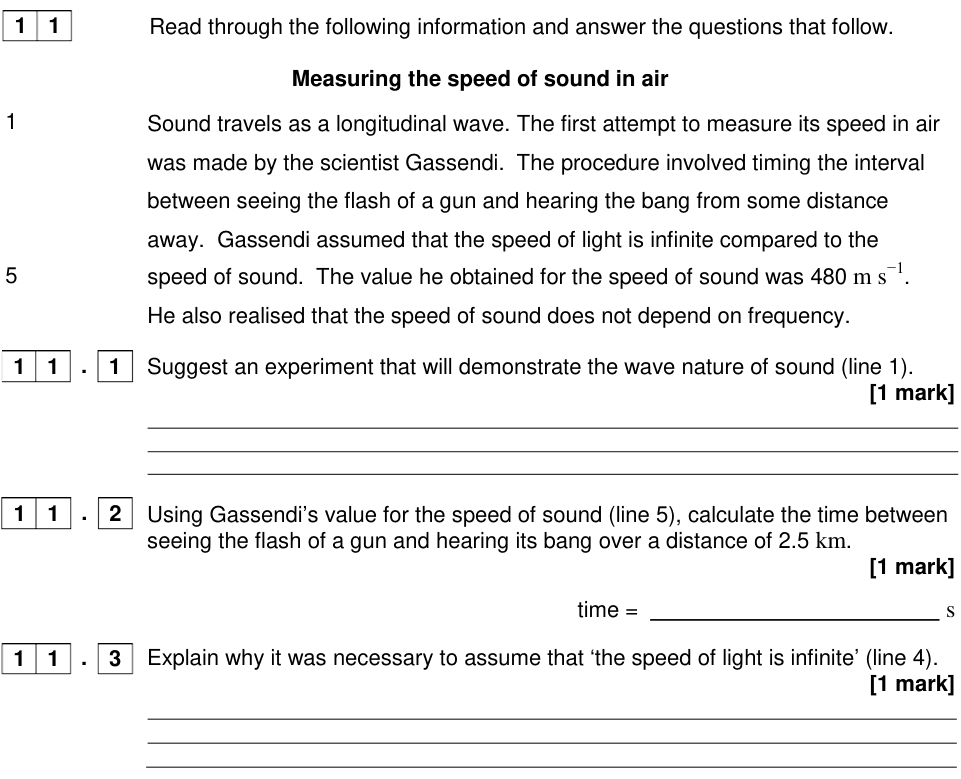
Longitudinal wave: the particles oscillate parallel to the direction of energy transfer, forming compressions (high pressure, particles close together) and rarefactions (low pressure, particles spread out). Examples: sound, ultrasound, P-waves in earthquakes, waves along a slinky pushed back and forth.
For a longitudinal wave, the wavelength is the distance between two adjacent compressions (or two adjacent rarefactions).
Electromagnetic waves
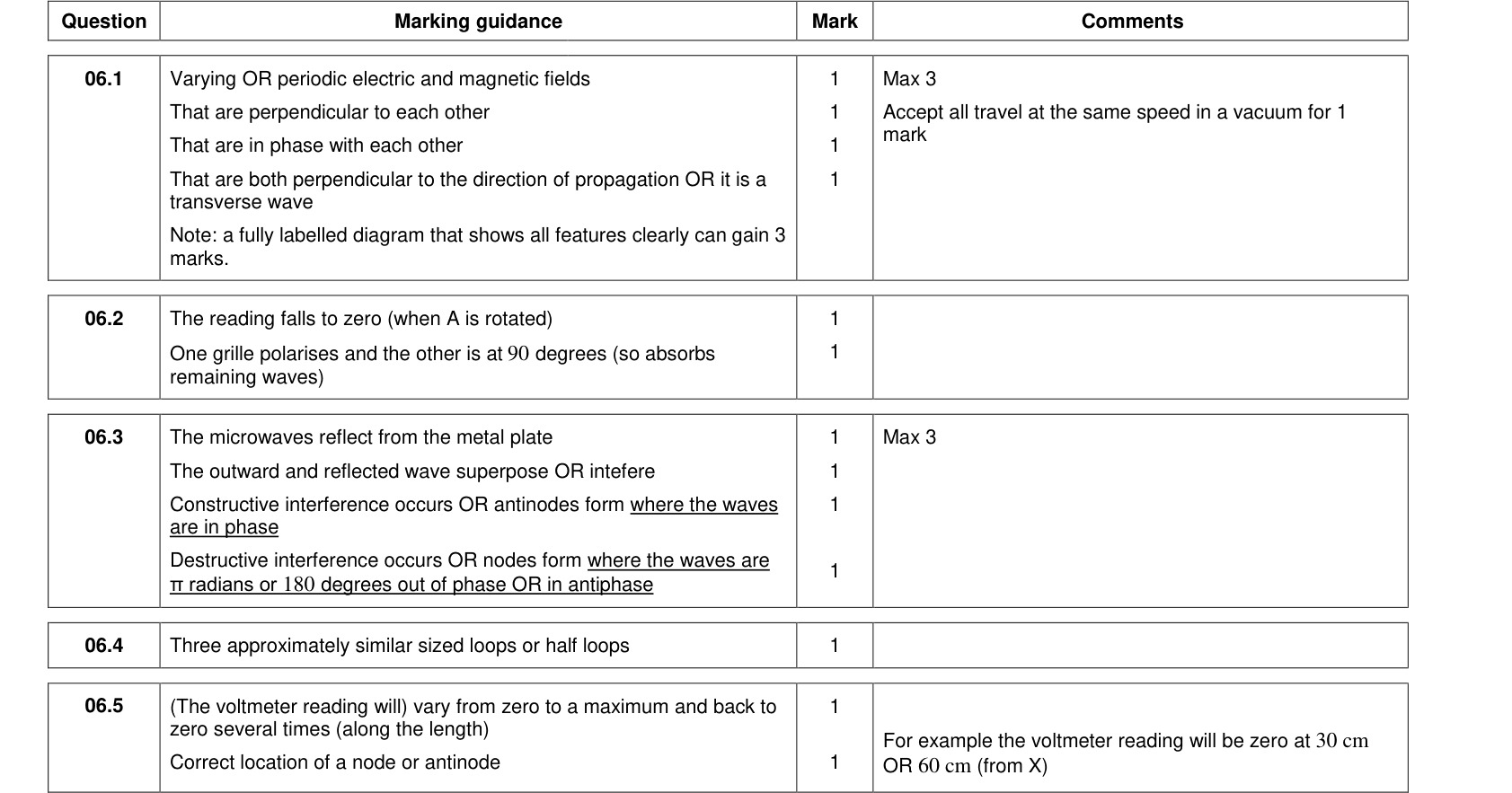
- EM waves consist of oscillating electric and magnetic fields, at right angles to each other and to the direction of travel. They are transverse.
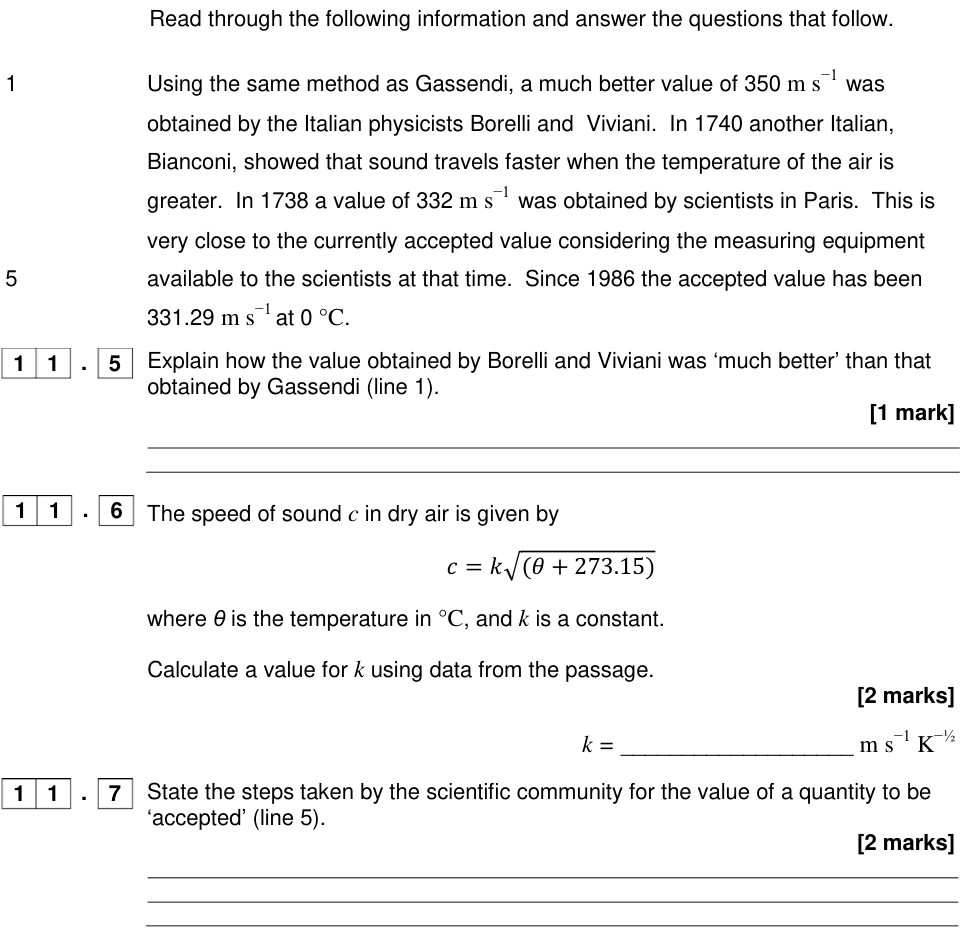
- They need no medium and all travel at the same speed in a vacuum: $c = 3.00 \times 10^{8}\ \text{m s}^{-1}$.
- The EM spectrum in order of increasing wavelength: gamma rays, X-rays, ultraviolet, visible (violet 400 nm to red 700 nm), infrared, microwaves, radio waves.
Ultrasound in medicine
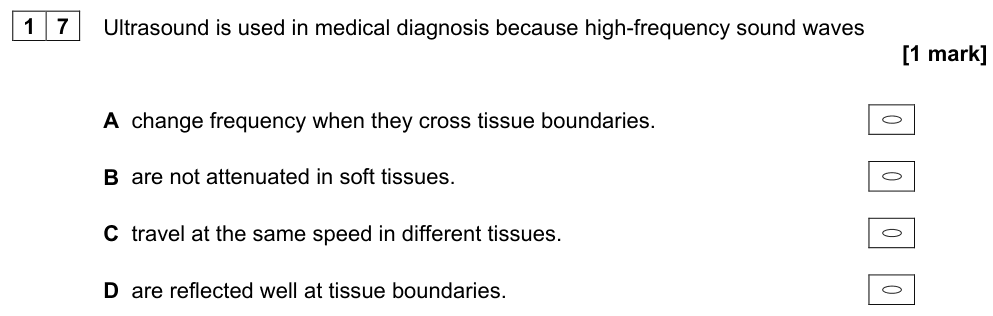
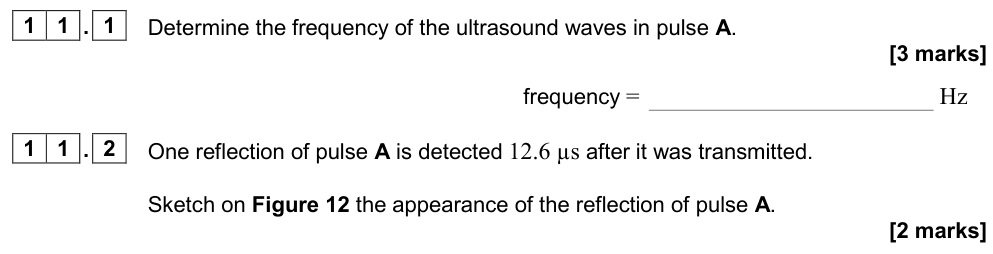
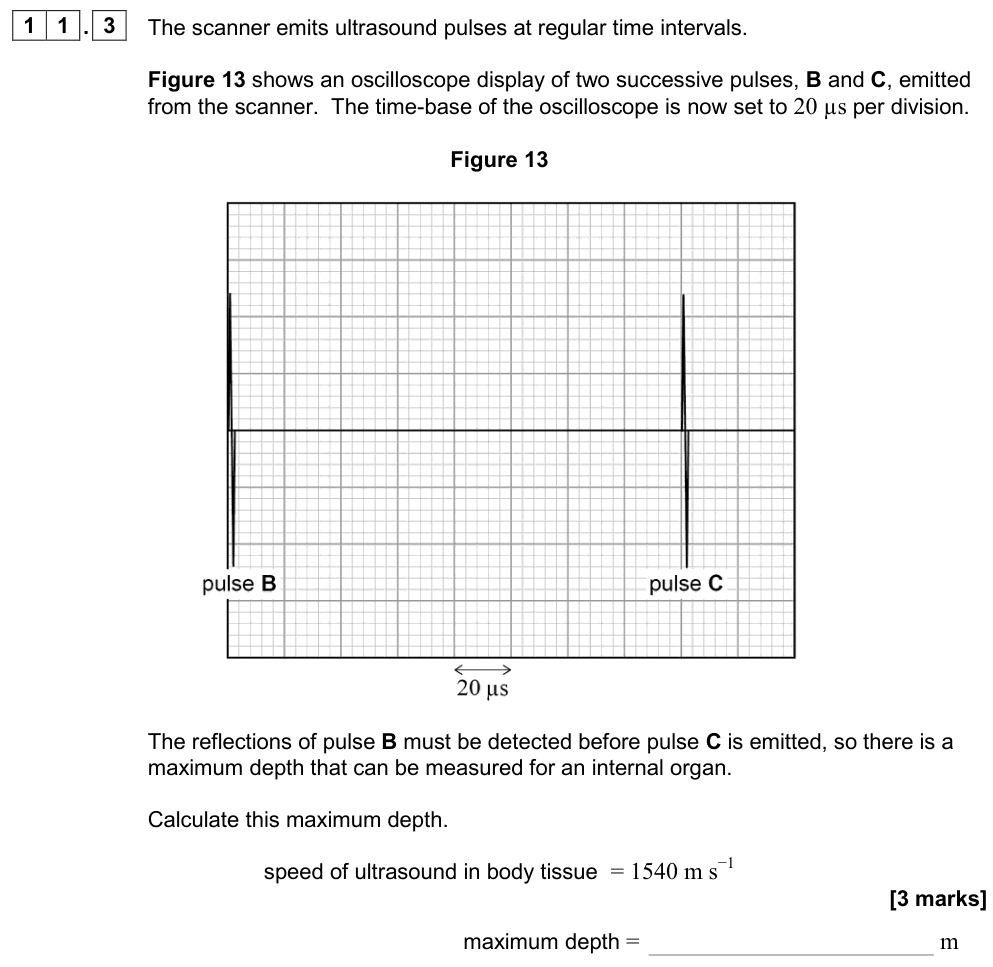
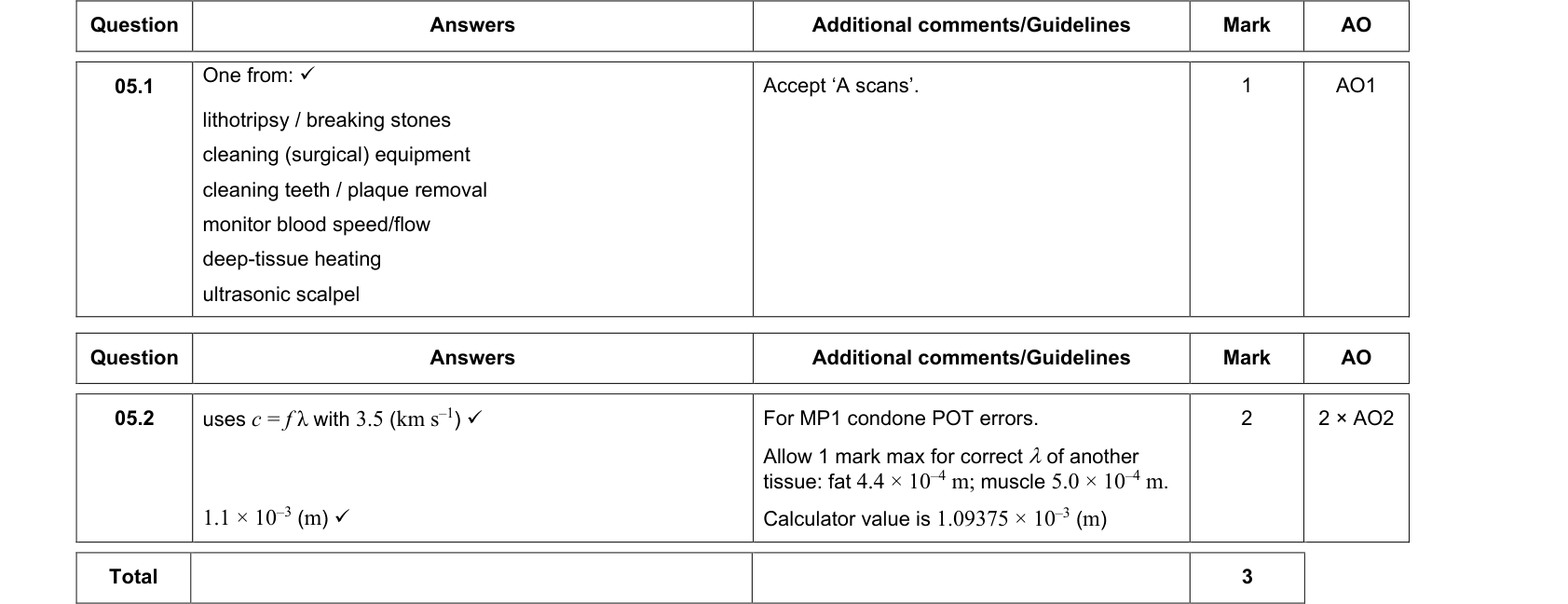
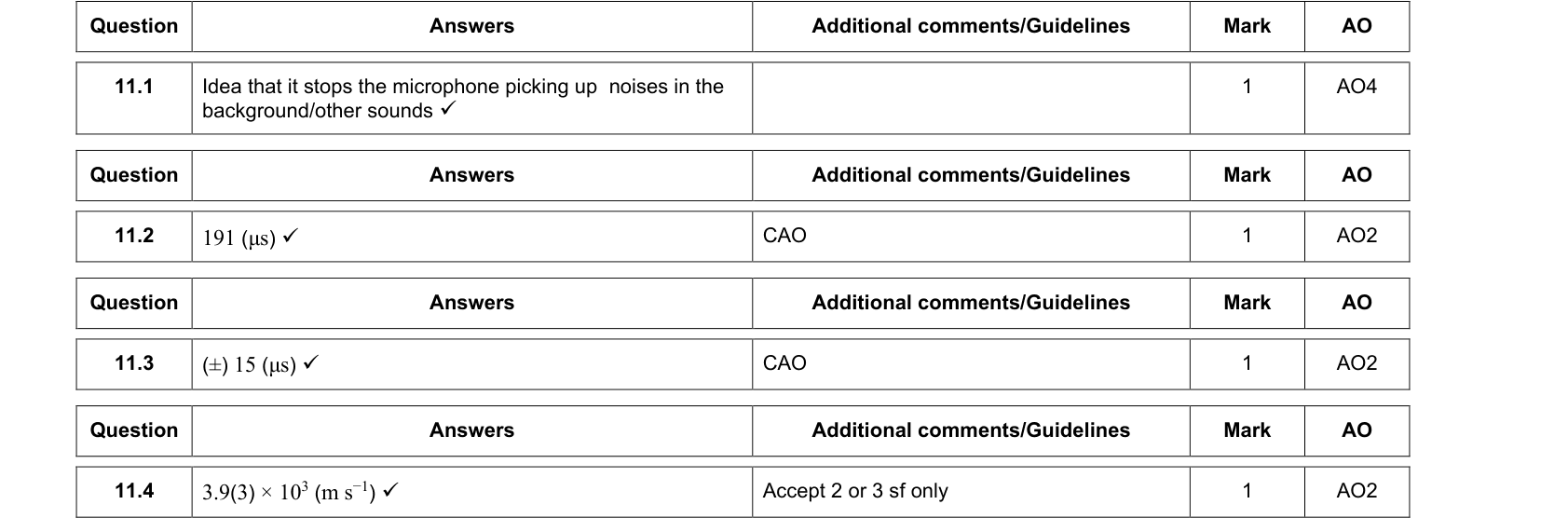
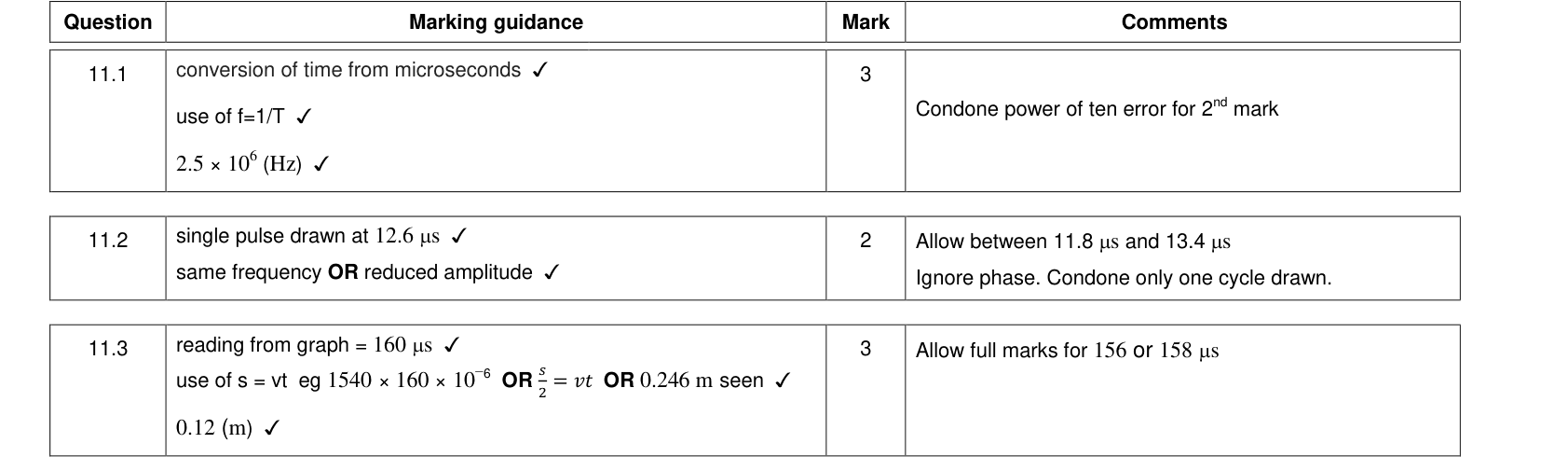
Ultrasound is sound above the range of human hearing (> 20 kHz); medical scanners use frequencies of a few MHz.
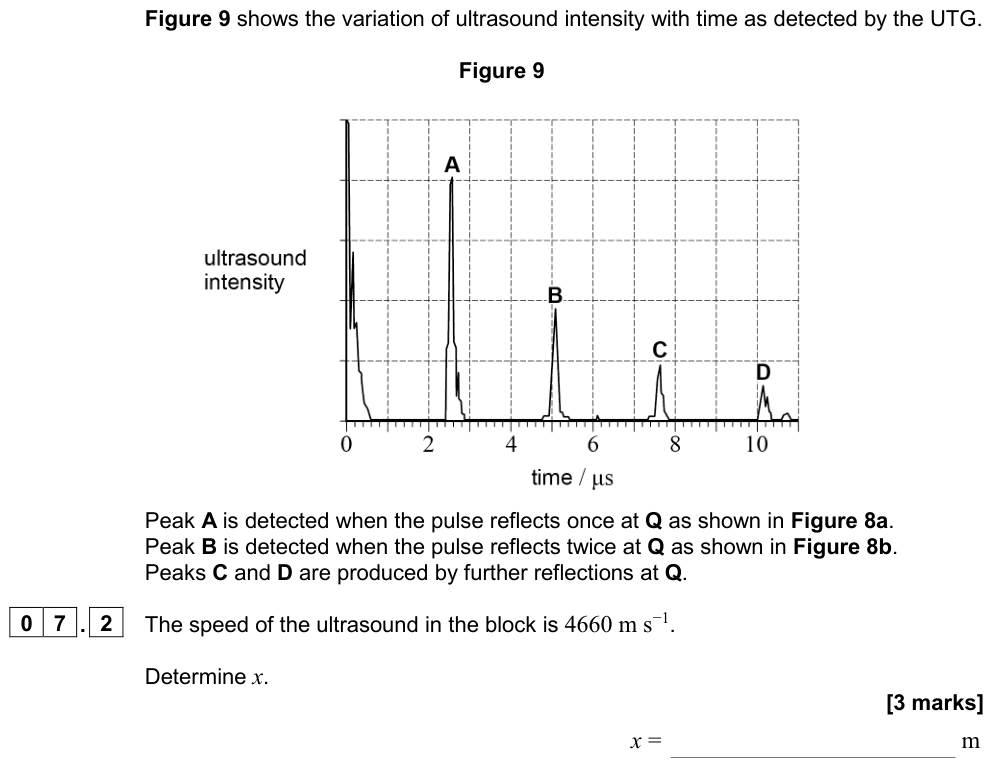
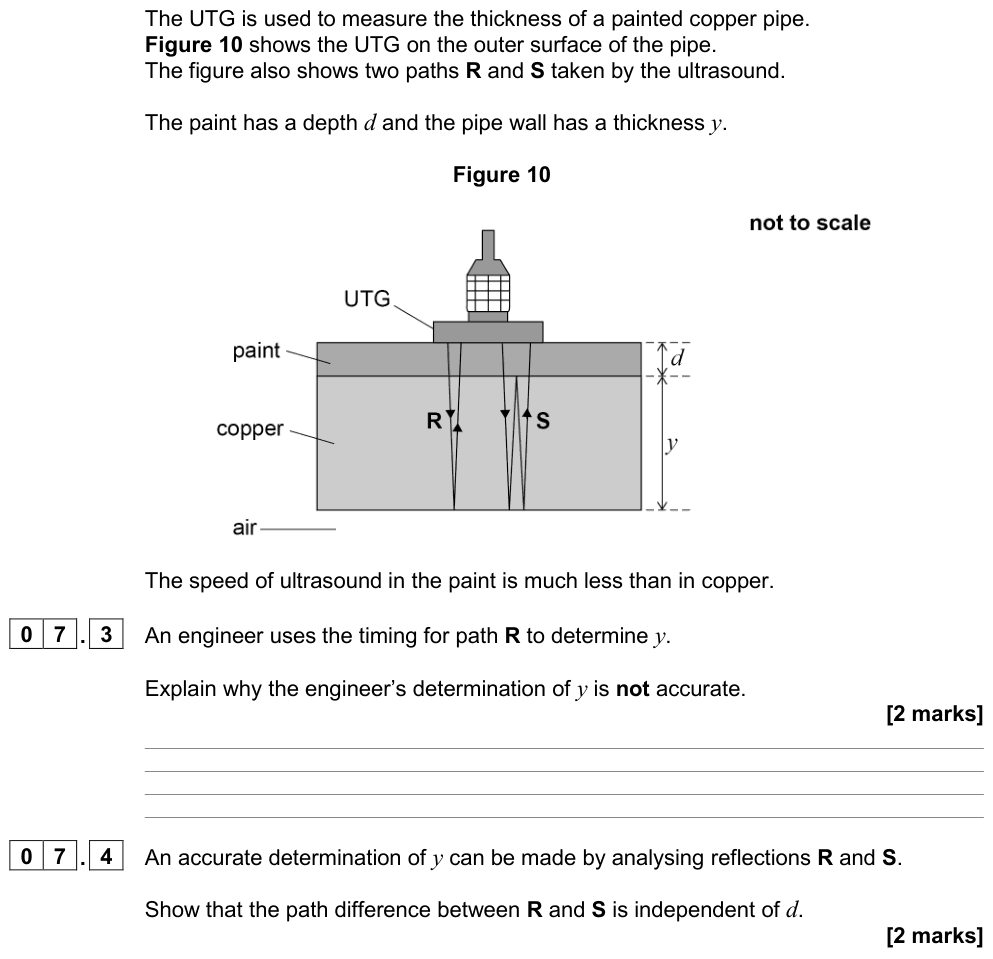
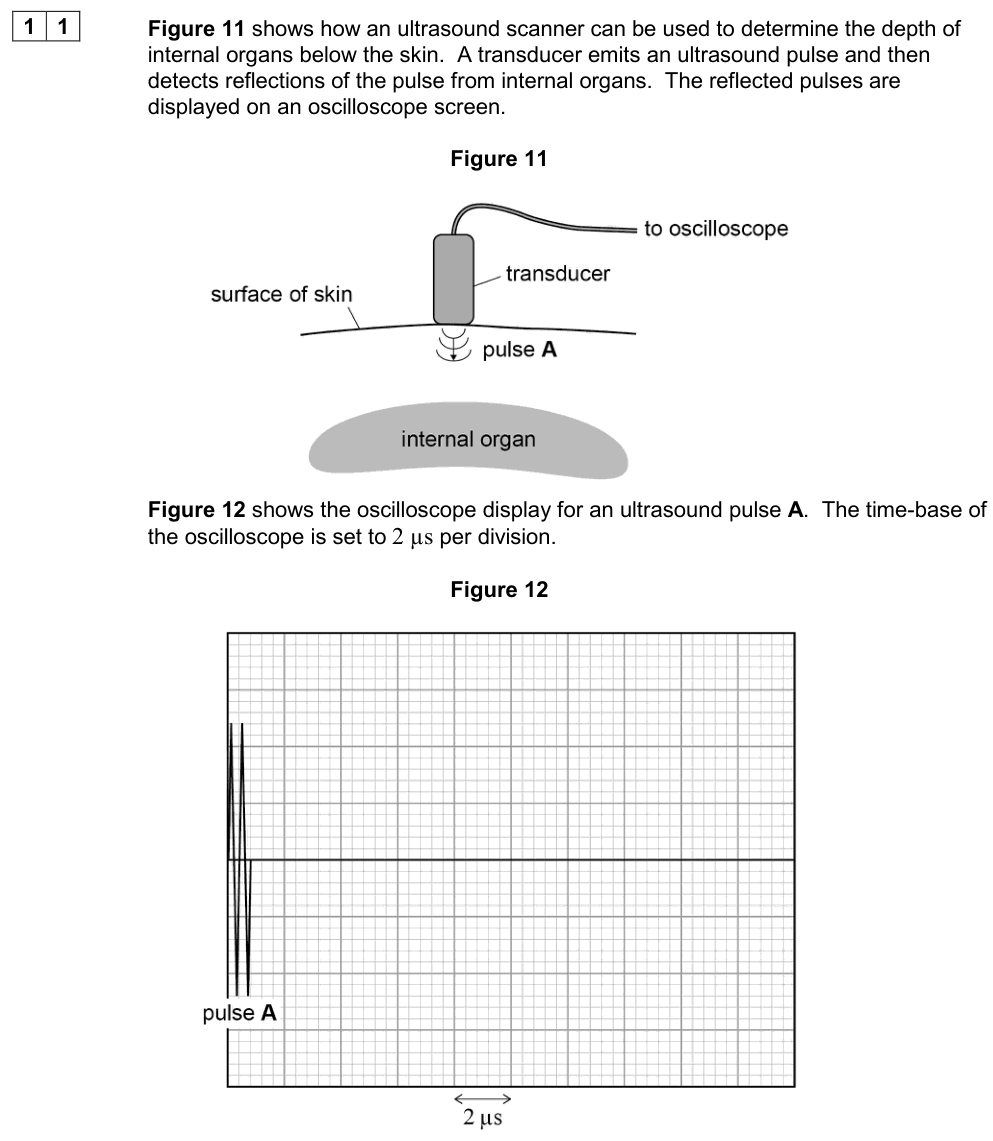
- A transducer sends short pulses into the body. At each boundary between tissues some of the ultrasound is reflected.
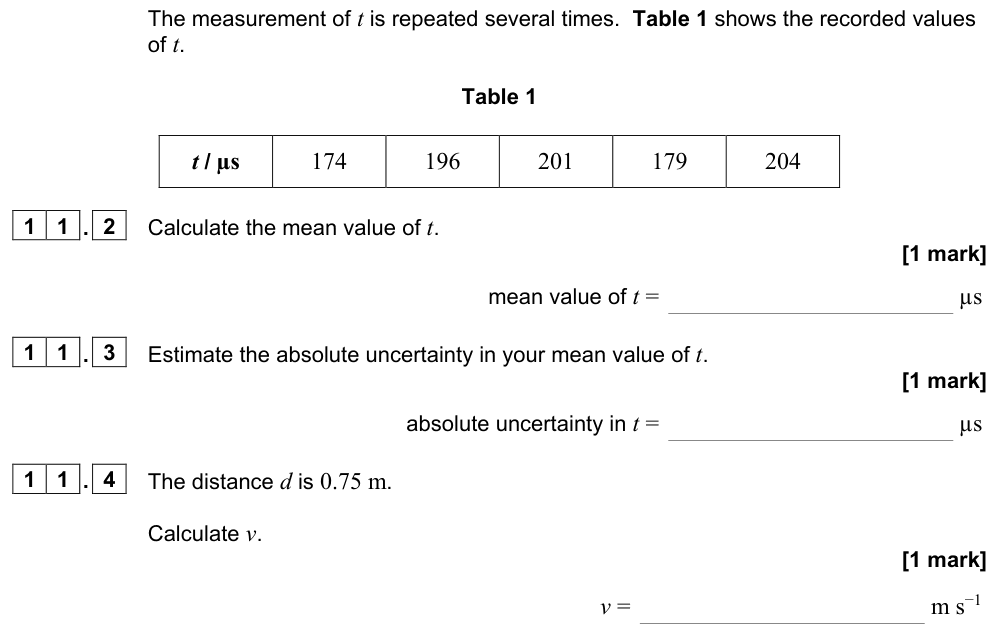
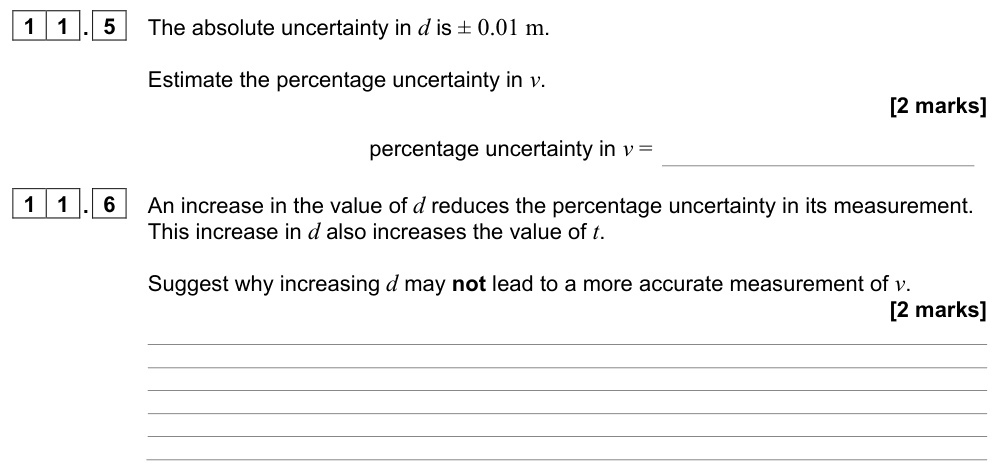
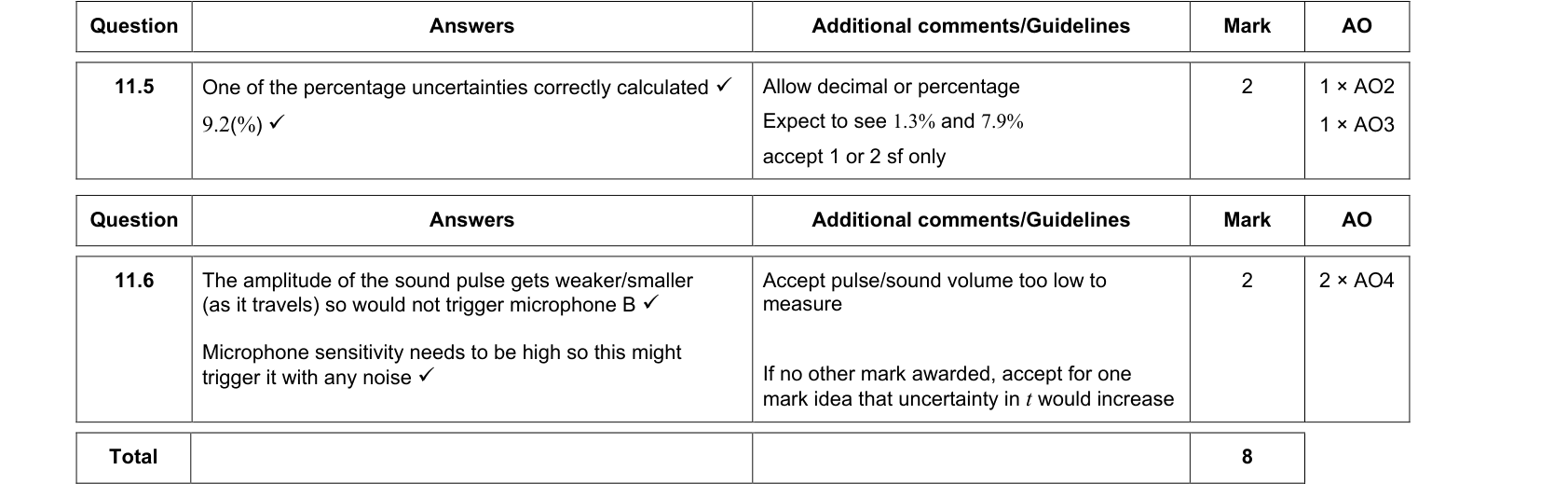
- The time delay $t$ of each echo gives the depth: $d = \dfrac{ct}{2}$ (the pulse travels there and back).
- Ultrasound is non-ionising, so it is safe for scanning foetuses and soft tissues. A gel is used to remove air between the transducer and skin, because air would reflect almost all of the ultrasound.
- Higher frequencies (shorter wavelengths) show finer detail but are absorbed more, so they do not penetrate as deeply.
Polarisation
Polarisation
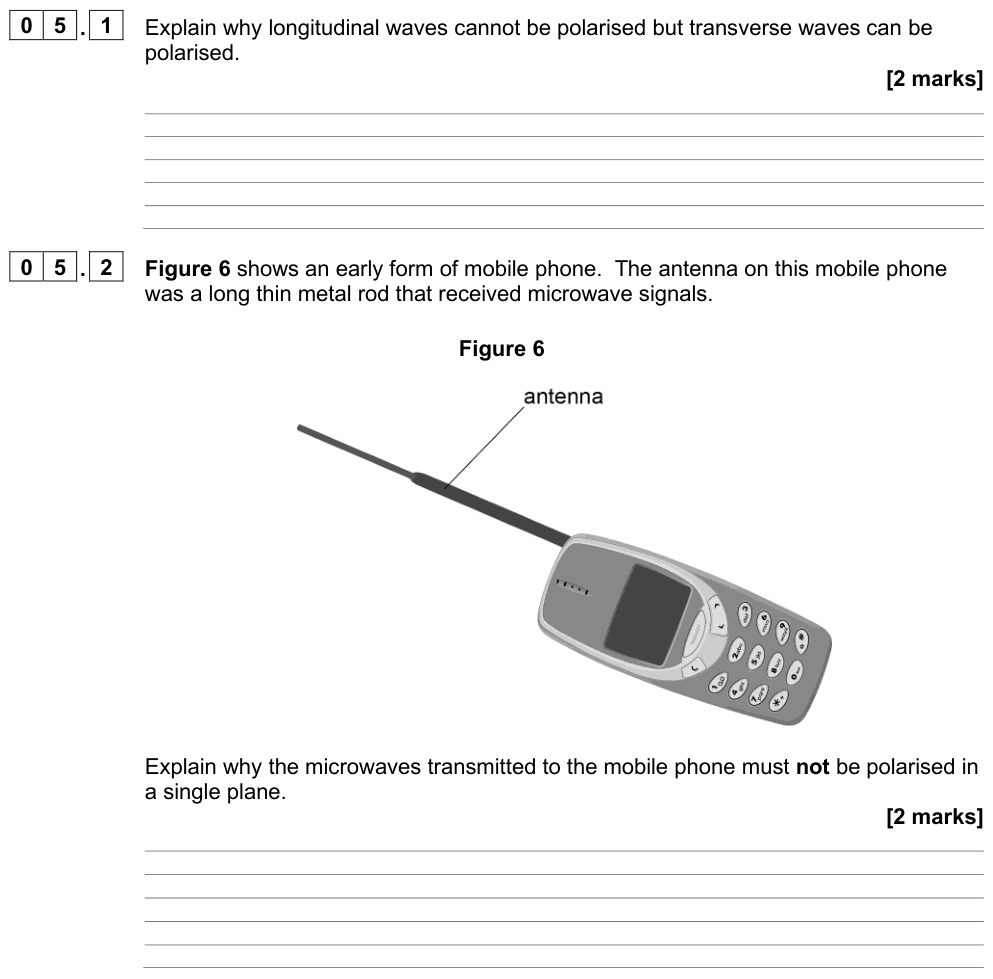
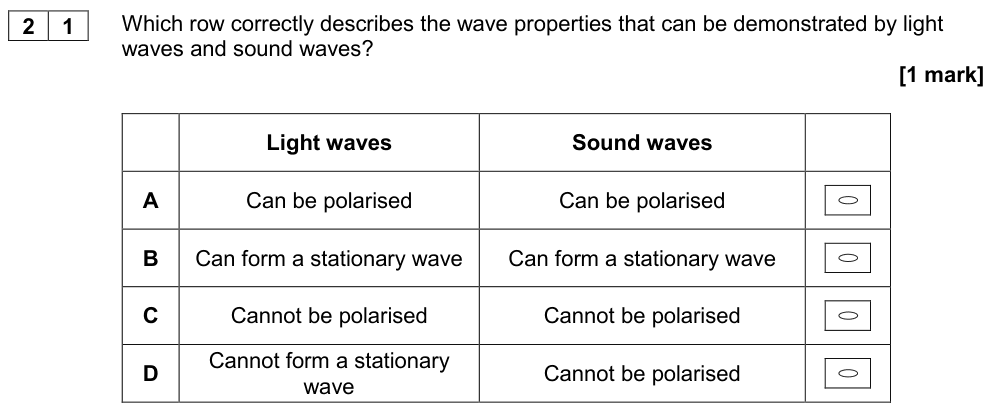
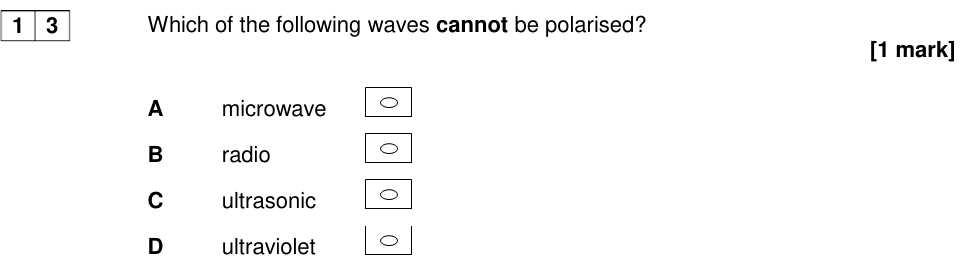
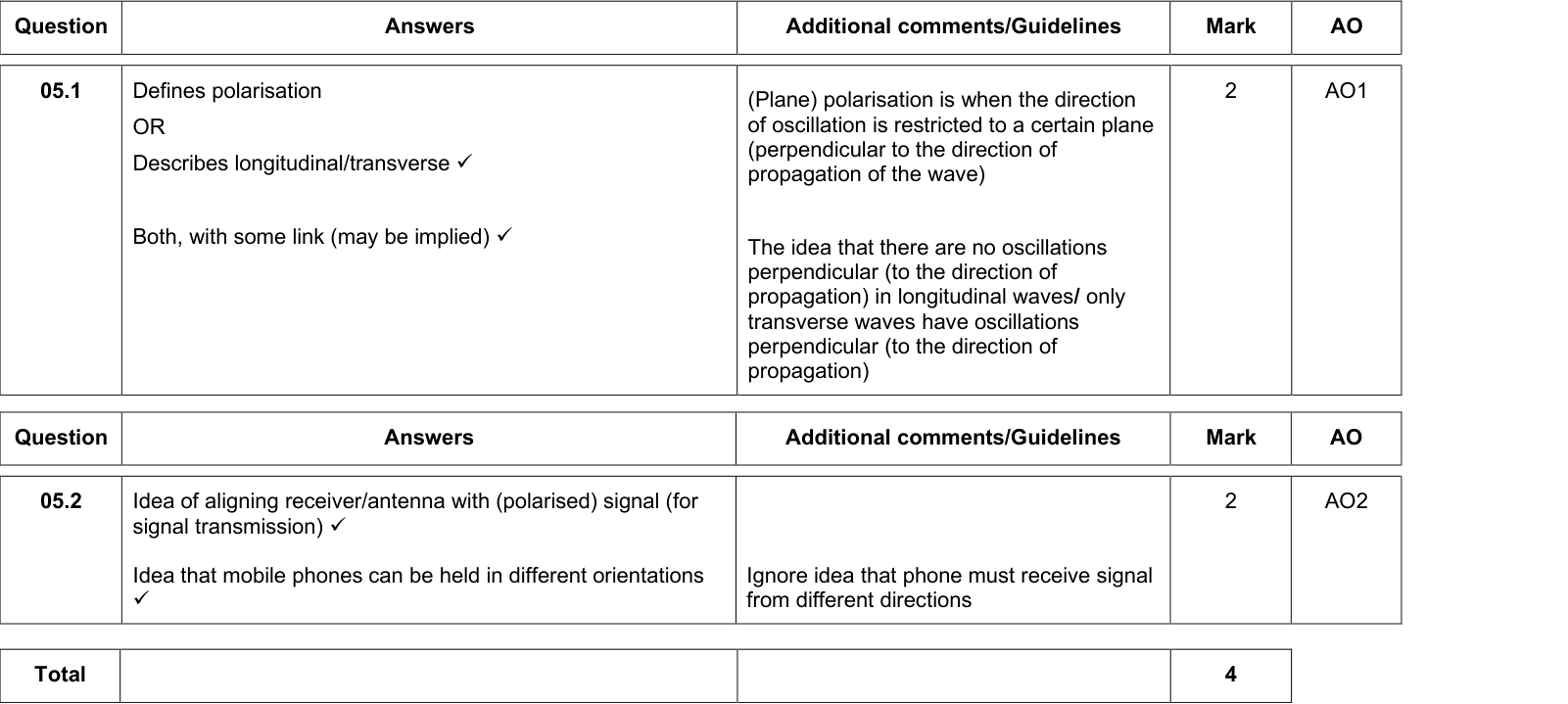
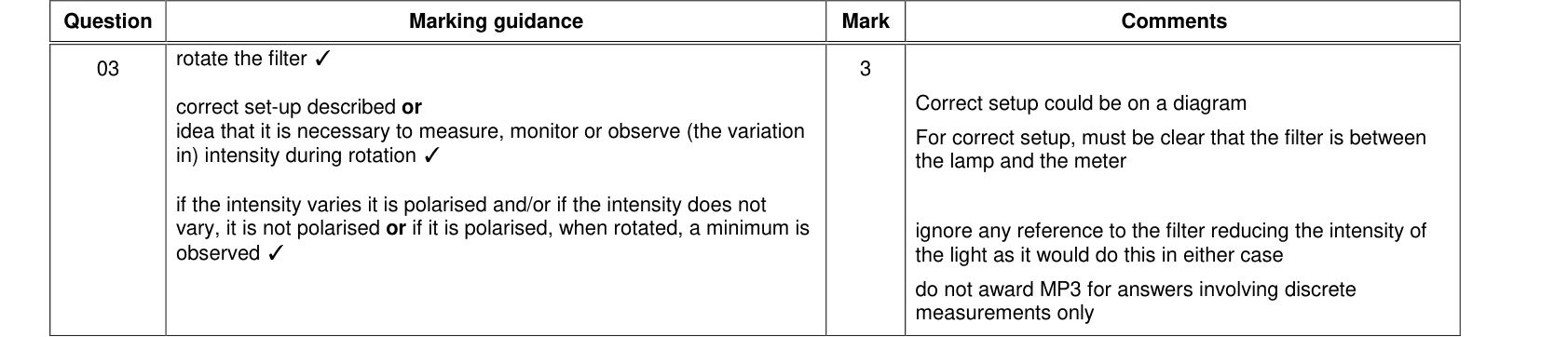
A wave is plane polarised when its oscillations are confined to one plane (one direction perpendicular to the direction of travel).
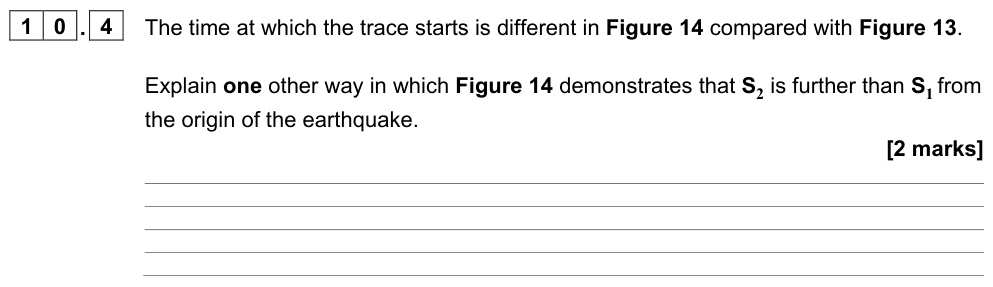
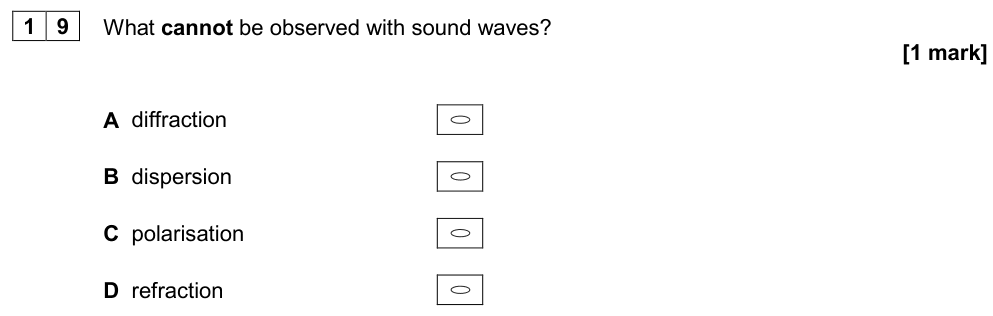
Only transverse waves can be polarised. Longitudinal waves already oscillate along the direction of travel, so there is no perpendicular direction to restrict. Polarisation is evidence that a wave is transverse.
- Light from a lamp or the Sun is unpolarised: the electric field oscillates in all directions perpendicular to its motion.
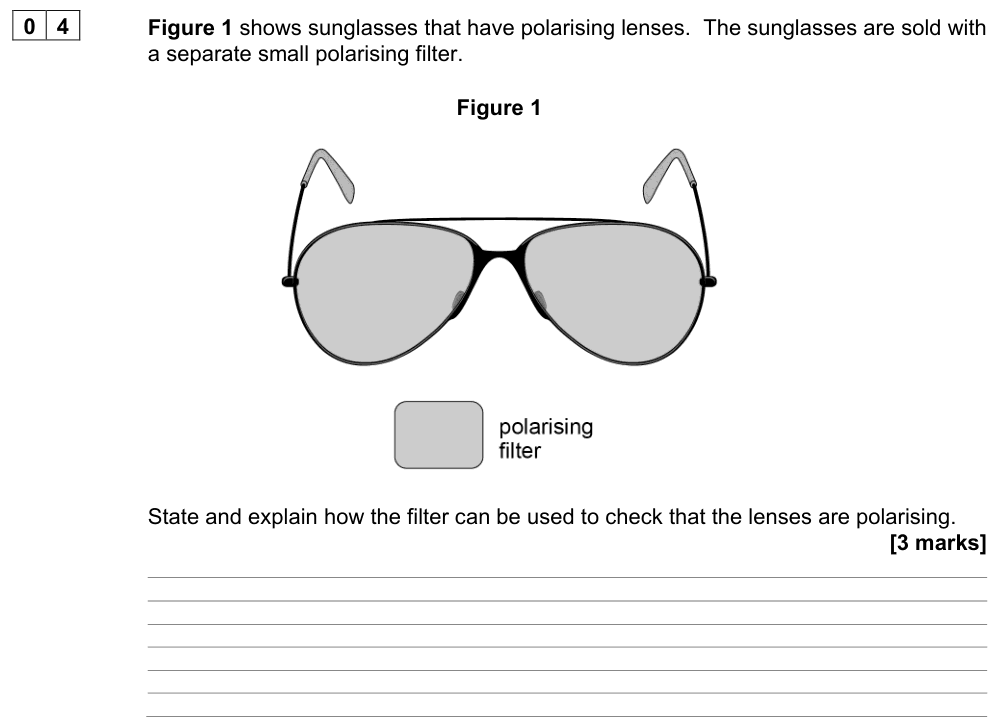
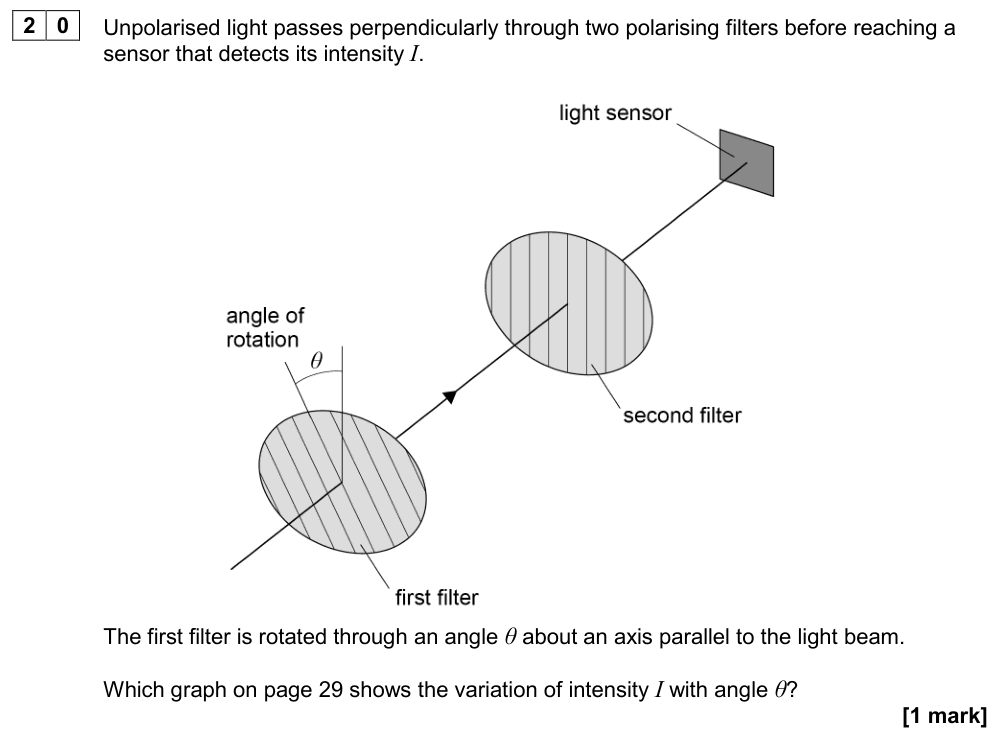
- A Polaroid filter transmits only the component of the oscillations in one direction, producing plane-polarised light (about half the intensity).
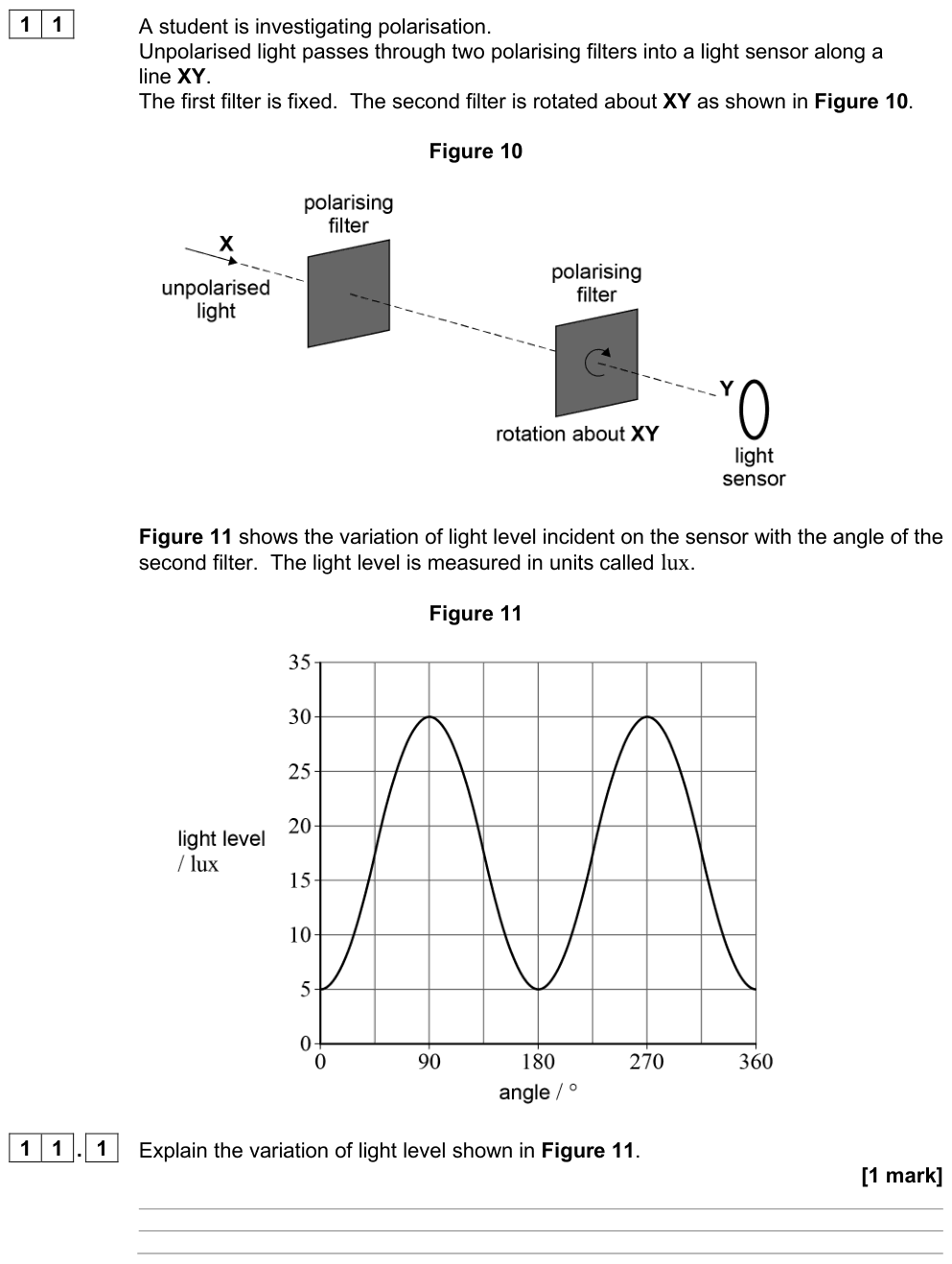
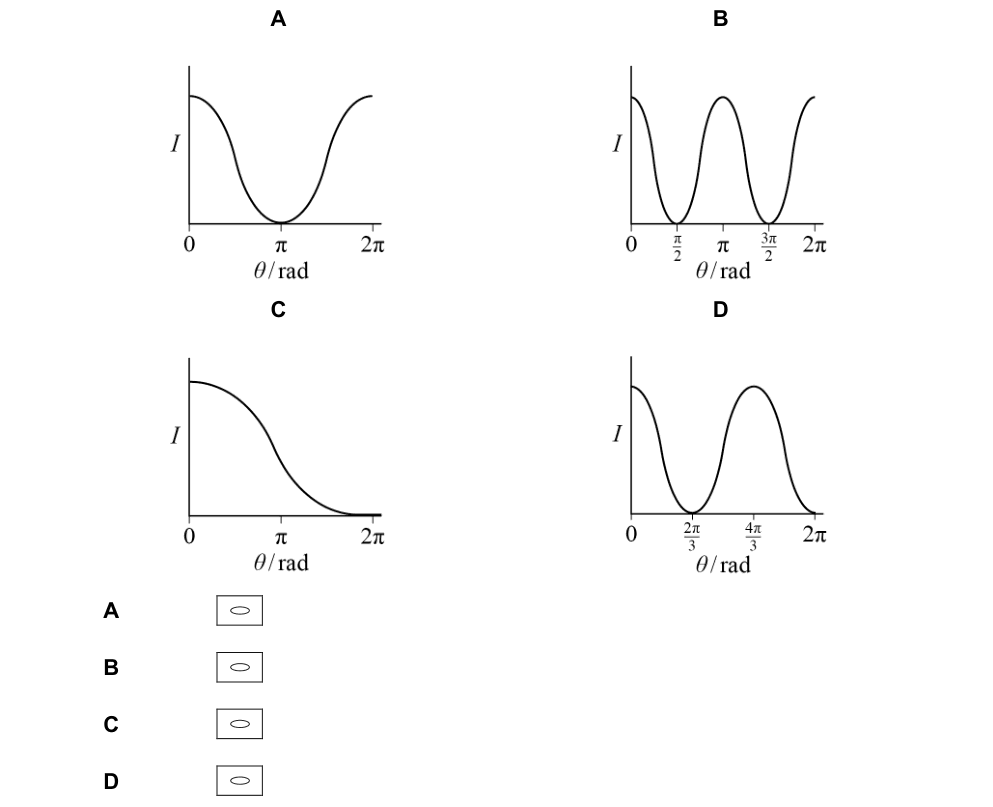
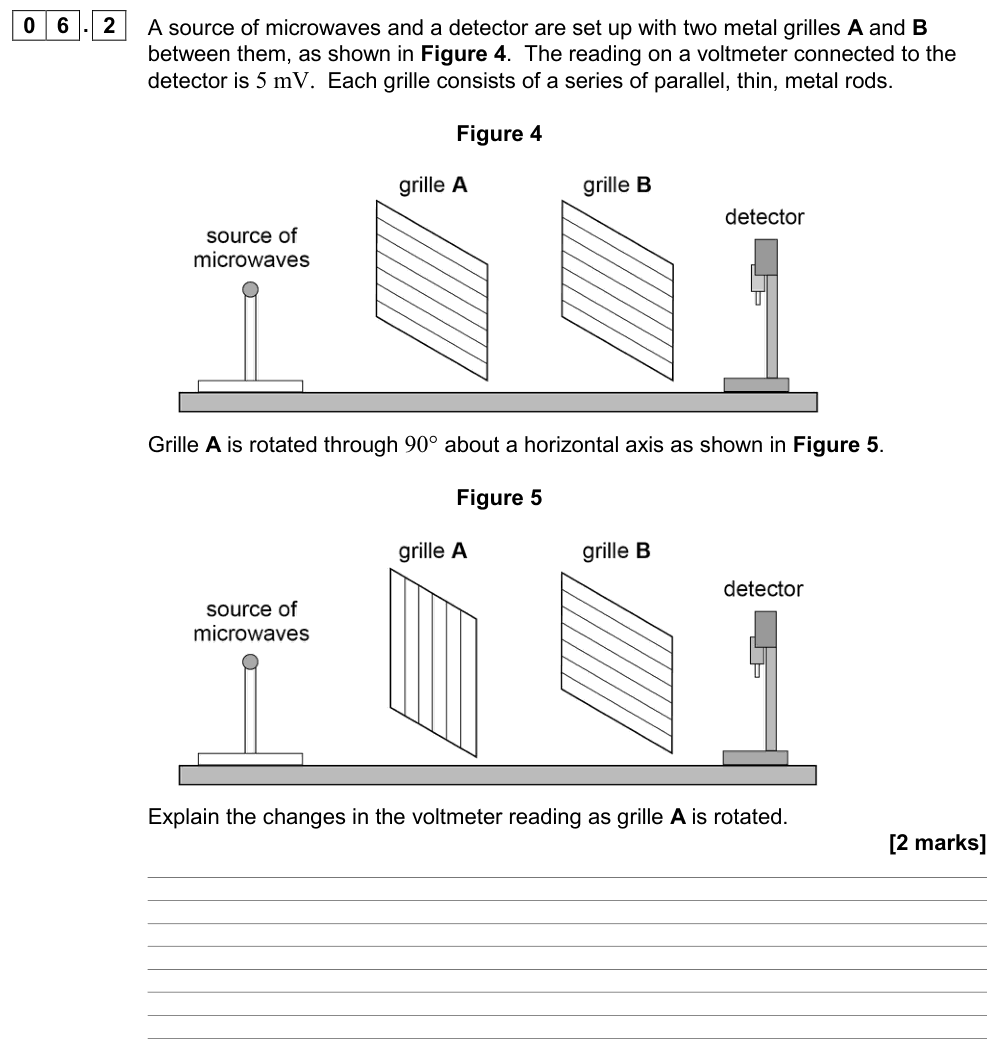
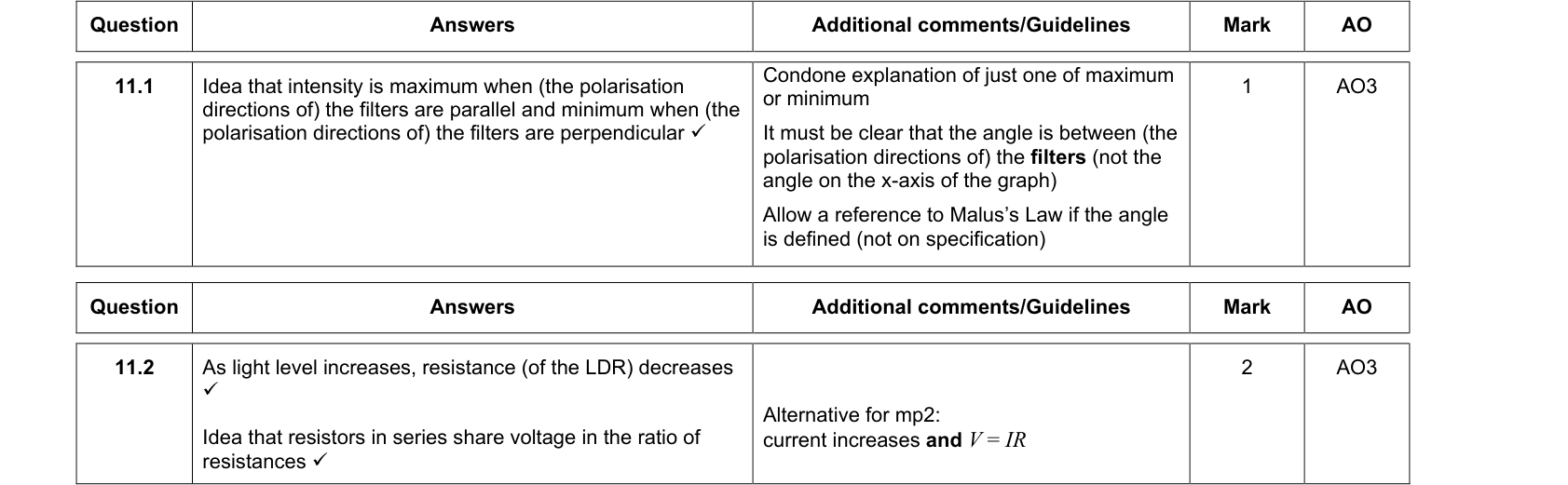
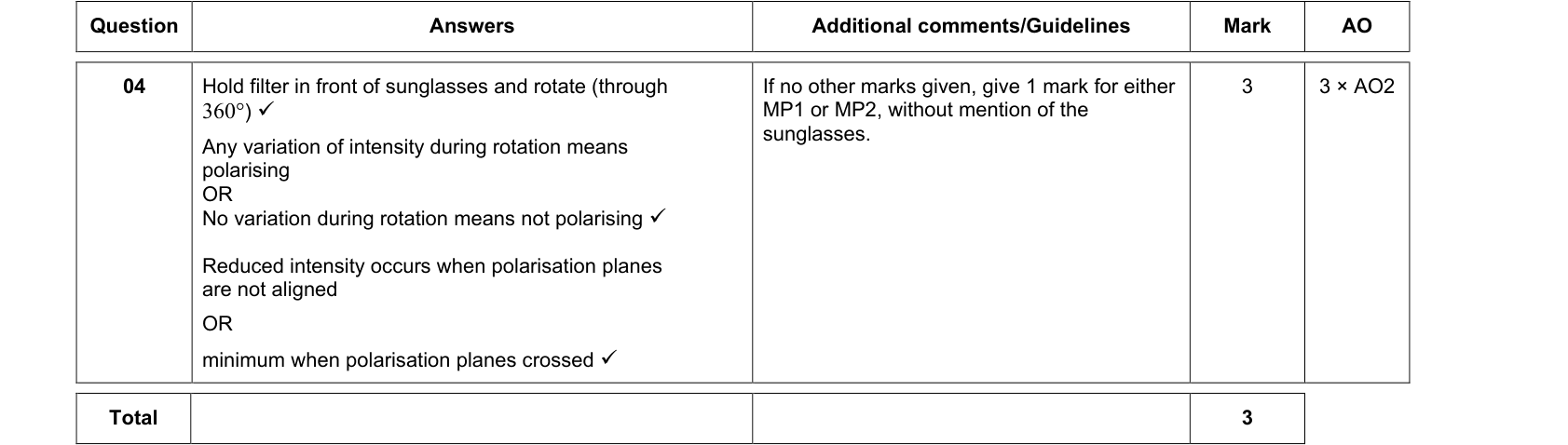
- With two Polaroids (polariser and analyser): when their transmission axes are parallel, the light passes through; rotating the second filter through 90° (crossed) gives zero transmission. Rotating it through 360° gives two maxima and two minima. (Malus's law is not required.)
Applications
- Polaroid sunglasses: light reflected from water or roads is partially polarised (mainly horizontally). Sunglasses with vertical transmission axes block it, reducing glare.
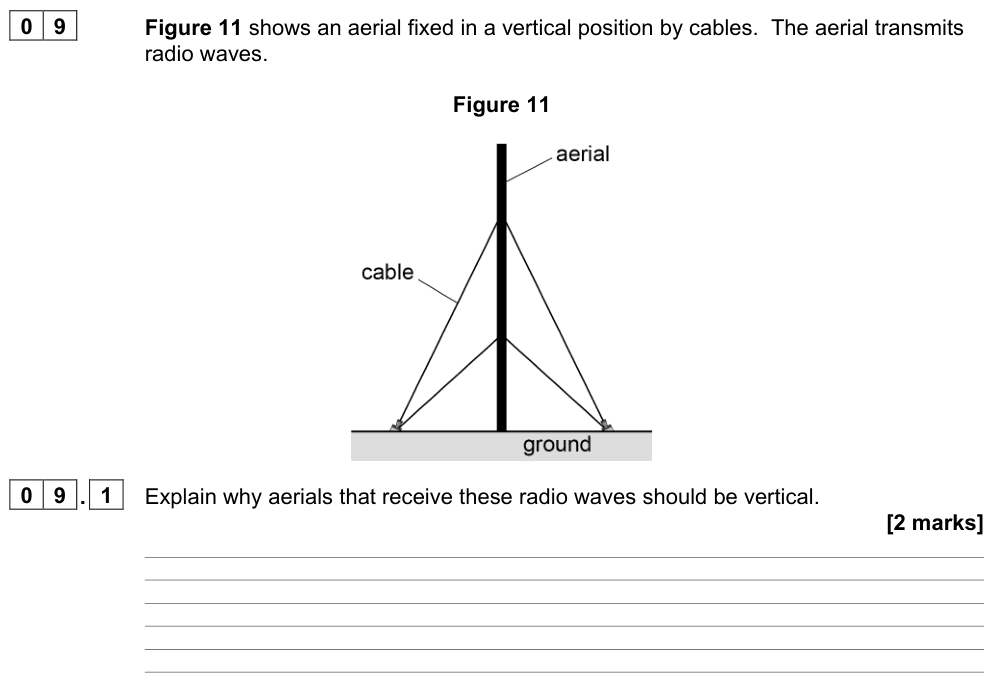
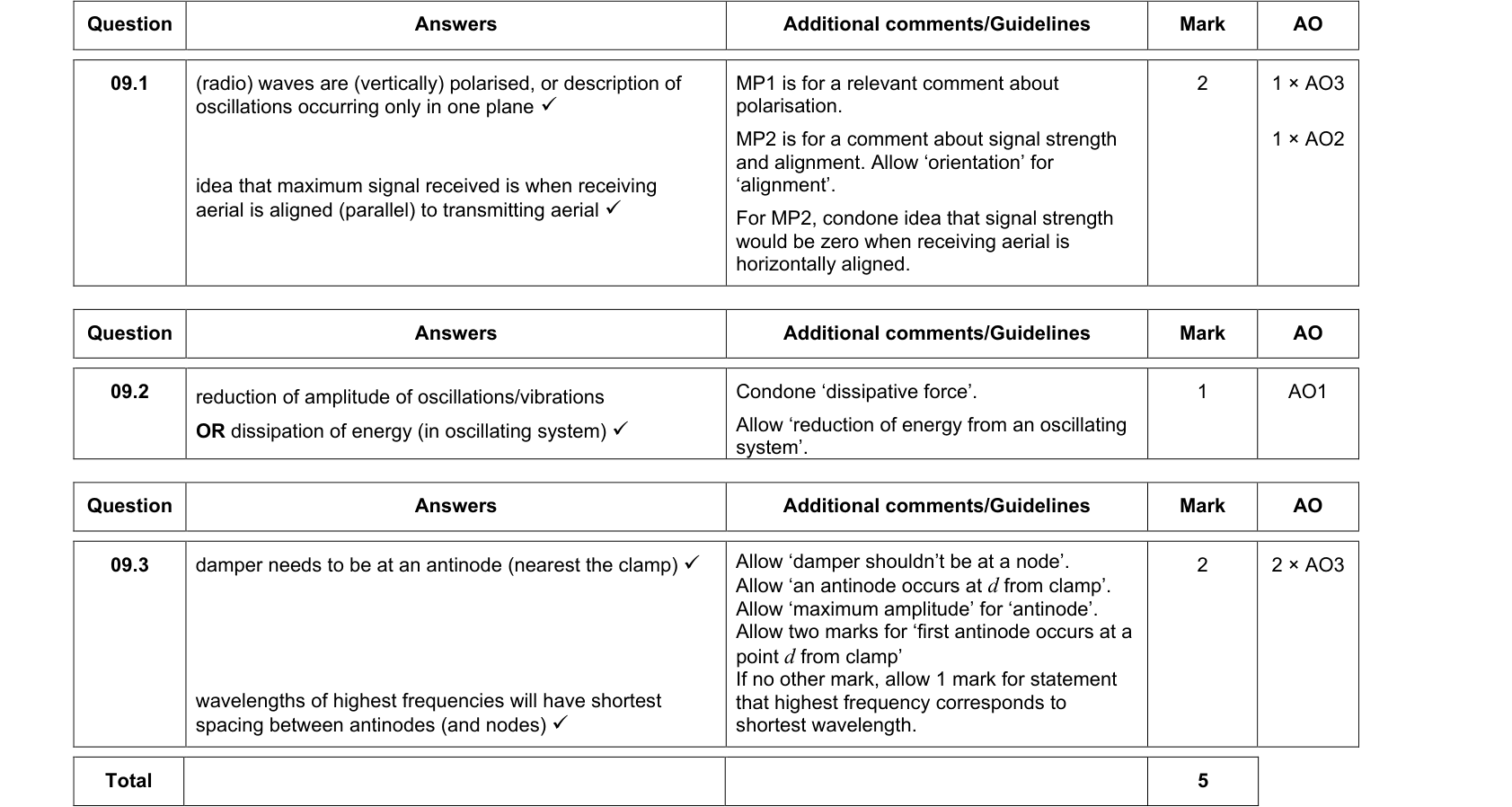
- Aerials (antennas): radio and TV waves are polarised by the transmitting aerial. The receiving aerial must be aligned in the same plane (e.g. both vertical) to receive the strongest signal. Neighbouring transmitters may use different polarisations to reduce interference.
- Photography and stress analysis: polarising filters reduce reflections; stress patterns show up in transparent plastics between crossed Polaroids.
Summary
- $c = f\lambda$, $f = 1/T$; frequency is unchanged when a wave changes medium.
- Phase difference $= 2\pi d/\lambda$ rad; in phase = whole wavelengths apart; antiphase = half a wavelength (π rad).
- Transverse: oscillation ⊥ energy transfer (EM, strings). Longitudinal: oscillation ∥ energy transfer (sound) with compressions and rarefactions.
- All EM waves travel at $3.00 \times 10^8$ m s⁻¹ in a vacuum. Ultrasound echoes give depths ($d = ct/2$).
- Only transverse waves can be polarised: evidence for their transverse nature; Polaroids and aerial alignment.